
|
Safe Job Procedure | Doc ID: SJP-04-01 |
| Rev: 00 | ||
| WORKING ALONE OR IN ISOLATION | Date: |
SECTION 1 – GENERAL INFORMATION
| Prepared by: | Phone #: | ||
| Site/Project: | Site Address: | ||
| Prime Contractor/Client: | |||
| Prime Contact (Position & Name): | Phone #: | ||
| On-Site Contact (Position & Name): | Phone #: | ||
| Scope of Work Performed: | |||
| Any additional documents required? | (Hot work permits, Lift plan, Toolbox talk, etc.) | ||
| If YES, please indicate type and reason: | |||
2. Hazard Identification
| Task/activity steps | Potential Hazards present | Controls (PPE, Equipment, Training, Documents, etc.) |
|---|---|---|
|
|
|
3. Procedure
(Provide a specific step-by-step description of how to complete a job safely and efficiently from start to finish)
- Where a worker is assigned to work alone or in isolation the foreman will perform a Pre-Job Risk Assessment, to identify any new hazards/risks that have not been previously identified and addressed in existing procedures. Any new hazards must first be eliminated, or otherwise controlled, and procedures updated.
- Worker performing work alone must be trained in the procedures related to the scope of work performed and must be competent in performing such work independently.
- Worker chosen to work alone or in isolation should not have any known medical issues that may become life threatening if not attended to immediately. Such as heart conditions, diabetes, panic attacks, bipolarism, etc.
- Worker must be physically and mentally fit for the job at hand
- Depending on the scope of work, a task-specific rescue plan may be required. This procedure is not a rescue plan.
- Procedure for checking well-being of worker. The below information must be filled out and available with the lone worker at all times:
- Designated person to contact the lone worker: ___________________________________
- Time interval between checks is: _______________________________________________
- Communication method used: __________________________________________________
- If communication was not successful for any reason, the designated person will:
- If on-site, immediately go to the lone worker’s location
- If off-site, call the worker on their cell phone.
- Repeat attempts to contact the primary contact method, and the worker’s cell phone
- If unaccounted for, for 20 minutes, the off-site designated person will now travel to, or designate someone on their behalf to travel to, the workplace and finds the lone worker.
- Depending on the level of risk as determined by supervisor/foreman, the 20 minutes above can be decreased.
- This procedure doesn’t apply to any work inside confined spaces.
- The communication method must be secured/tethered to the lone worker, if there’s a risk of dropping or losing it, for example when working at heights, or when work requires the use of ladders.
- The foreman will ensure that all locations and tasks where a worker may not be able to secure assistance in the event of an injury or incident are identified.
- New and young workers, as per the definitions in the OHS regulation, are NOT allowed to work alone or in isolation.
- Supervisor are to obtain worker’s feedback on the process and comfort level during and after the activity. If suggestions are made, they are to be analyzed accordingly and if required, adjustments shall be made. Involvement of the JOHS Committee is encouraged in such situations.
4. Additional Requirements / Comments
- Worker orientation must notify the worker of the requirement for this procedure, and the requirement to not work completely alone or isolated, unless after signing off on a completed template of this procedure.
|
|
SJP Acknowledgment | Doc ID: SJP-04-01 |
| Rev: 00 | ||
| Employee Sign-Off Record | Date: |
Employee Declaration: I confirm that I have read, understood, and will strictly comply with the Safe Job Procedure for Working Alone or in Isolation. I agree to utilize required PPE, actively participate in pre-task meetings, and immediately report any unsafe conditions. I acknowledge that failure to follow this SJP may result in disciplinary action.
| Employee Name (Print) | Signature | Date |
|---|---|---|
| Arshdeep Singh |
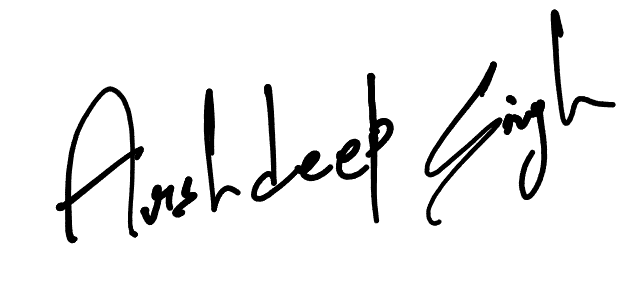
|
|
| Badal dhakal |

|
|
| Bandeep Singh |
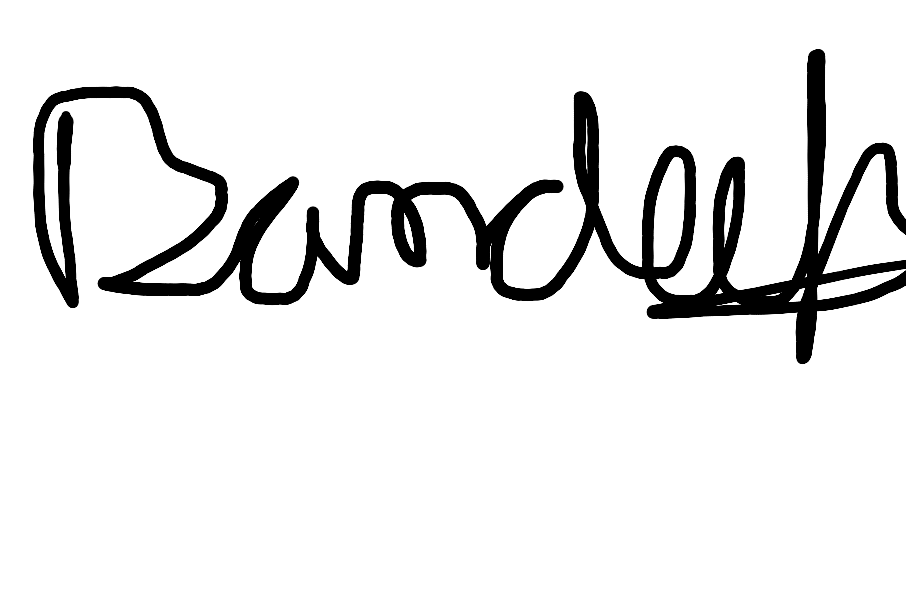
|
|
| Beerinder |

|
|
| Bhavkaran Singh |

|
|
| paramjeet Singh |

|
|
| Akashdeep Singh |

|
|
| Emmanuel Ackom |
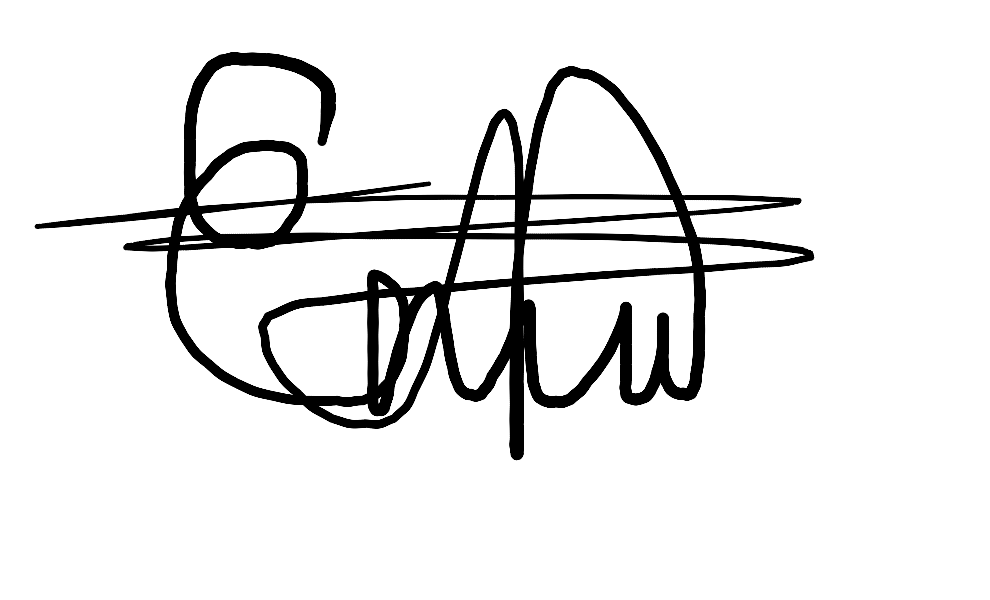
|
|
| Gaganpreet Singh |
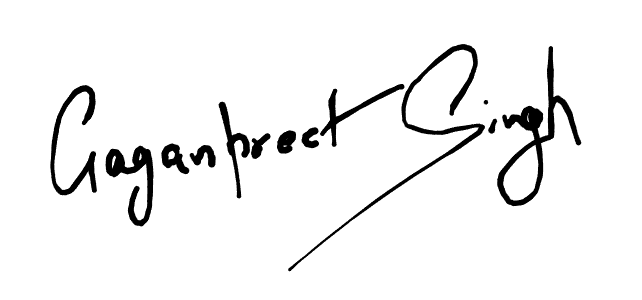
|
|
| Gursewak singh |

|
|
| Harjot Singh |

|
|
| Jasspreet Singh |
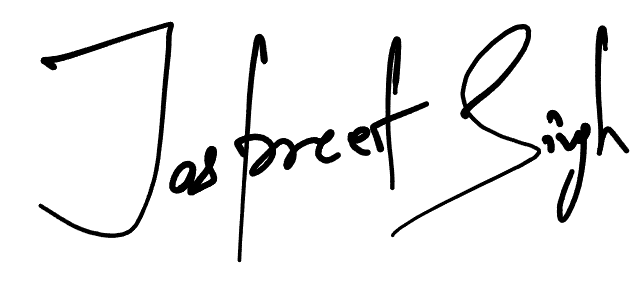
|
|
| Kamalpreet singh |
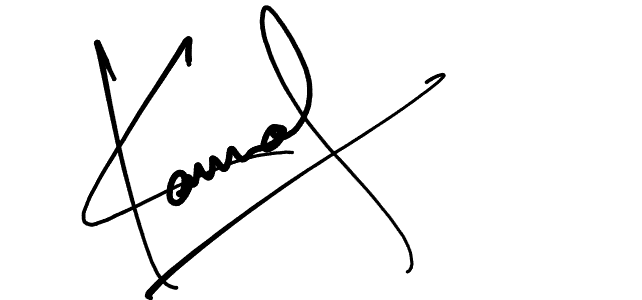
|
|
| Karan |

|
|
| Lovepreet Singh |
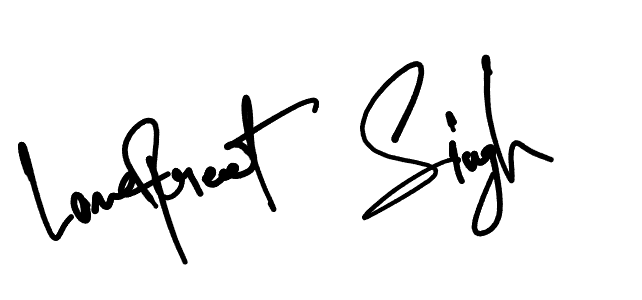
|
|
| Lovejeet Singh |

|
|
| Manjot Singh |

|
|
| Manwinder Singh |
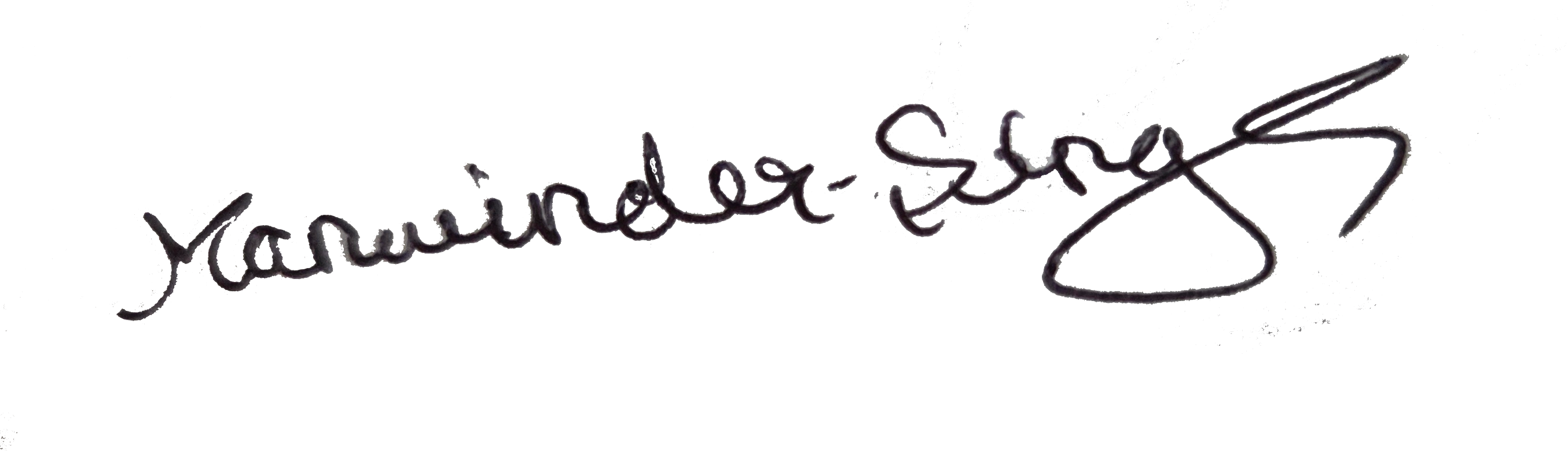
|
|
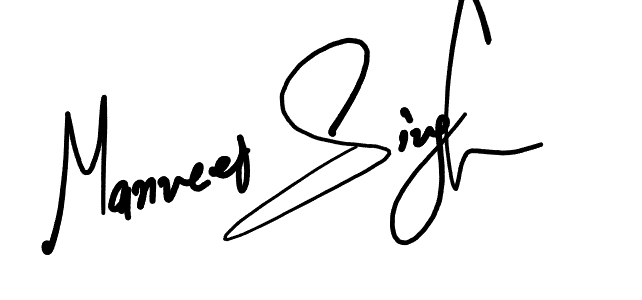
| Manveer Singh |
|
|
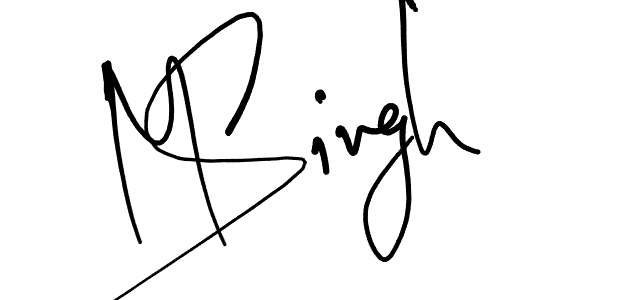
| Mehakdeep Singh |
|
|
| Navkaran Singh |

|
|
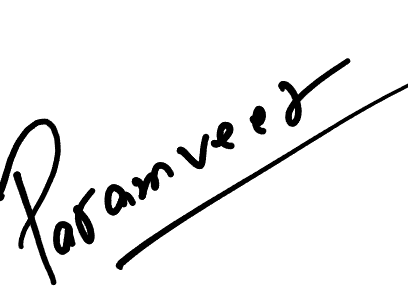
| Paramveer Singh |
|
|
| Sukhmandeep Singh |

|
|
| Sukhraj Singh |

|
|
| Suraj Parkash Singh |

|
|
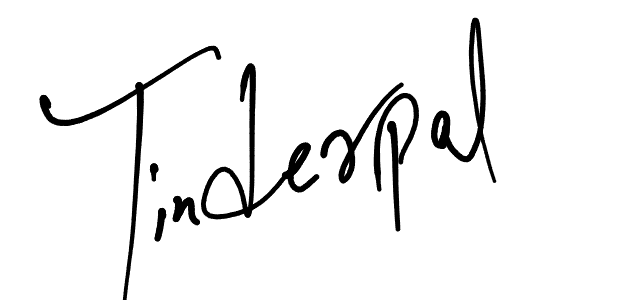
| Tinderpal Singh |
|
|
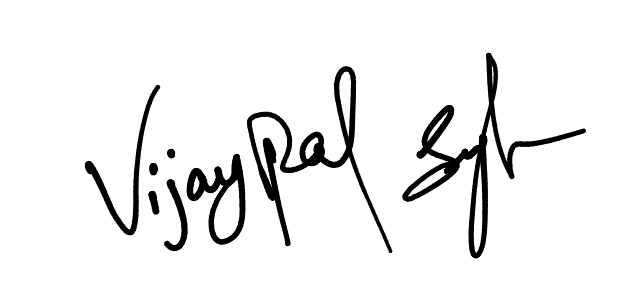
| Vijaypal Singh |
|