
|
Safe Work Procedure | Doc ID: SWP-CR-002 |
| Rev: 1.2 | ||
| Lifting Operations (Crane & Rigging) | Date: |
SECTION 1 – GENERAL INFORMATION
| Prepared by: | Phone #: | ||
| Site/Project: | Site Address: | ||
| Prime Contractor/Client: | |||
| Prime Contact (Position & Name): | Phone #: | ||
| On-Site Contact (Position & Name): | Phone #: | ||
| Scope of Work Performed: | |||
| Any additional documents required? | (Hot work permits, Lift plan, Toolbox talk, etc.) | ||
| If YES, please indicate type and reason: | |||
1. Potential Hazards
- Pinch points – during lifting, maneuvering, and landing slab bands, columns, or rebar bundles.
- Improper rigging – damaged slings, incorrect choker hitches, unrated shackles.
- Loose materials falling – unsecured rebar, debris from overhead loads.
- Overhead crane contact – striking structures, power lines, or workers.
- Load swing / upset – unbalanced loads, side loading of hooks.
- Equipment failure – worn chains, cracked hooks, defective hoists.
2. Required Personal Protective Equipment (PPE)
- Hard Hat (CSA Z94.1) – Must be worn at all times
- CSA Approved Steel Toe Boots (Grade 1)
- Hi-Visibility Vest / Class 2 or 3
- Cut-resistant Gloves (for rigging and handling)
- Full Body Harness and Lanyard (when working at heights > 10ft or near exposed edges)
- Safety Glasses (impact rated) – side shields required
3. Definitions & Key Roles
- Rigging: The wires, ropes, and chains specifically engineered to support, lift, maneuver, and land materials used for construction purposes.
- Qualified Rigger: Trained and certified to inspect, select, and attach rigging equipment safely.
- Critical Lift: Lifts reaching ≥79% of crane capacity, requiring special pick points, spreader bars, or tandem lifts.
- HIRA: Hazard Identification & Risk Assessment. Required before work commences to find the safest method.
- Fall Protection System: Guardrails, harness and lanyard, safety net, or control zone as per WorkSafeBC regulations.
- Work Platform or Scaffolding: Moveable platform that can be re-positioned during course of work, as well as an elevated or suspended temporary work surface used for supporting workers.
- Aerial Lift / Elevated Work Platform: Moveable work platform that self-elevates to overhead work locations.
4. Crane & Rigging – General Requirements
- Crane certification and daily pre-use inspection logs must be strictly maintained and up-to-date. Annual inspections are mandatory.
- All chains, slings, and shackles must possess legible load tags and be visually inspected before every shift.
- Ordinary lifts require a pre-lift meeting and a qualified operator. Critical lifts require a written lift plan signed by the supervisor and operator.
- Conduct a test lift (no load or dummy load) when necessary; verify clear lift paths, dunnage placement, and the marshalling area.
- Never carry a load over personnel; strictly exclude non-essential workers from the crane's swing radius.
|
|
Safe Work Procedure | Doc ID: SWP-CR-002 |
| Rev: 1.2 | ||
| Lifting Operations (Crane & Rigging) | Date: |
4.1 Overhead Gantry Crane – Safe Practices
- Weight Check: Never exceed 79% of the crane's rated capacity without a formalized, written critical lift plan.
- Visually inspect clevises, pins, chain links, and hooks before each use. Remove damaged or defective gear immediately.
- Prohibited Travel: No overhead travel over personnel, oxygen/acetylene tanks, or active electrical panels.
- Avoid angular lifts. Ensure chains are evenly spaced. If a load tilts upon lifting, set it down immediately and re-adjust the rigging.
- Signal all movements clearly. Provide an audible warning and await the "ALL CLEAR" before moving a load.
- Personnel are strictly prohibited from riding the crane hook or hanging from chains. Use tag lines exclusively to control load rotation.
- Landing Procedures: Steady the load near the ground, ensuring hands are clear of pinch points. Never position yourself between a moving load and a fixed object.
- Bundle Wrapping: Chains must be angled appropriately relative to load size. No lifting by wire ties unless permitted under a specialized, authorized SWP.
4.2 Critical Lift Requirements
A lift is defined as "Critical" if any of the following apply:
- The load weight exceeds 79% of the crane's rated capacity.
- Specialized pick points or spreader bars are required to prevent load upset.
- The lift involves personnel in a suspended basket or utilizes complex tandem lifting procedures.
Required Action: A supervised lift plan must be prepared and reviewed by a competent supervisor and the operator. A pre-lift meeting must be conducted with all involved crew members and documented on the "Critical Lift Checklist".
4.3 Loading & Unloading Trucks (Rebar & Structural)
- Load larger and longer diameter bundles on the bottom; smaller miscellaneous materials on top.
- Load sides first, subsequently filling the center to distribute weight evenly over the vehicle axles.
- Ensure overhang limits comply with regulatory standards (e.g., overhang beyond headache rack ≤12" past front bumper; rear overhang ≤15' past center of rear axle) or obtain necessary permits.
- All bundles must be secured with approved straps. Verify tightness after initial transit (e.g., 15 km out of town).
- Unloading: Inspect shackles, spreader bars, and slings prior to use. Unload outer bundles first while maintaining a safe clearance distance.
|
|
Safe Work Procedure | Doc ID: SWP-CR-002 |
| Rev: 1.2 | ||
| Prefabricated Elements & Fall Protection | Date: |
5. Flying Slab Bands, Columns & Zones
- Before any lift execution, complete a Hazard Identification & Risk Assessment (HIRA). Enforce the hierarchy of controls: eliminate hazards, employ guardrails/work platforms, and utilize fall arrest systems as a final measure.
- Complete the formal Prefabricated Slab Bands, Columns and Zones – Inspection Checklist prior to flying any materials.
- Conduct visual inspections of all rigging equipment, shackles, and slings. The use of damaged gear is strictly prohibited.
- Tag Lines: Attach at least one tag line to govern load swing. For columns or zones exceeding 30 ft, a minimum of two tag lines (top and mid-level) are mandatory.
- Rigging Methodology: Utilize approved synthetic slings or chokers where feasible. If chains are utilized, hook down around the vertical bar and stirrup, hooking back onto the chain to mitigate side loading. Ensure safety latches face away from the load.
- For slab bands: Utilize chains on four distinct pick points secured with double wire ties to ensure maximum stability.
- Verify all loose materials (e.g., rebar offcuts, tie wire) have been removed from the load prior to lifting.
- When lifting and landing, workers must position themselves in a manner to avoid any pinch point situations.
- Once lifted, actively warn all proximate personnel of the overhead hazard and barricade the swing radius if practical.
6. Fall Protection Requirements
- When exposed to a fall risk of 10 ft (3 meters) or greater, workers must utilize a personal fall arrest system (harness, lanyard, anchor) or work within approved guardrails as per WorkSafeBC Regulation Part 11.
- All anchor points must be certified to withstand 5000 lbs. Prior to commencing work, a formal Fall Protection Plan is required when utilizing control zones or safety monitors.
- Do not execute tasks above exposed rebar without adequate protection. Utilize approved ladders or aerial lifts when accessing elevated areas.
- Do not signal the crane operator to release the load until you have retreated to a safe distance from edges and are fully unhooked.
- Working on vertical cages ≥25ft mandates a task-specific Safe Work Procedure (SWP) review prior to the lift.
Regulatory References: WorkSafeBC OHS Regulation Part 14 (Hoisting & Rigging), Part 11 (Fall Protection), CSA Z150-98, CraneSafe. Critical lifts necessitate a documented lift plan and comprehensive pre-job meeting. This SWP is subject to mandatory annual review.
|
|
SWP Acknowledgment | Doc ID: SWP-CR-002 |
| Rev: 1.2 | ||
| Employee Sign-Off Record | Date: |
Employee Declaration: I confirm that I have read, understood, and will strictly comply with the Safe Work Procedure for Crane, Hoisting, Rigging, Loading/Unloading, and Flying operations. I agree to utilize required PPE, actively participate in pre-lift meetings, and immediately report any unsafe conditions. I acknowledge that failure to follow this SWP may result in disciplinary action.
| Employee Name (Print) | Signature | Date |
|---|---|---|
| Arshdeep Singh |
|
|
| Badal dhakal |
|
|
| Bandeep Singh |
|
|
| Beerinder |

|
|
| Bhavkaran Singh |

|
|
| paramjeet Singh |

|
|
| Akashdeep Singh |

|
|
| Emmanuel Ackom |
|
|
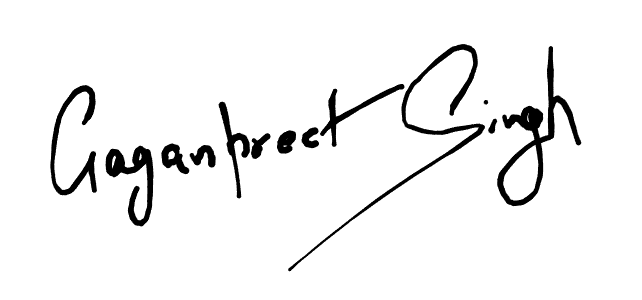
| Gaganpreet Singh |
|
|
| Gursewak singh |

|
|
| Harjot Singh |

|
|
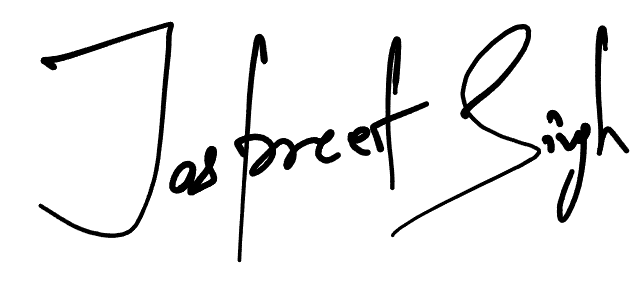
| Jasspreet Singh |
|
|
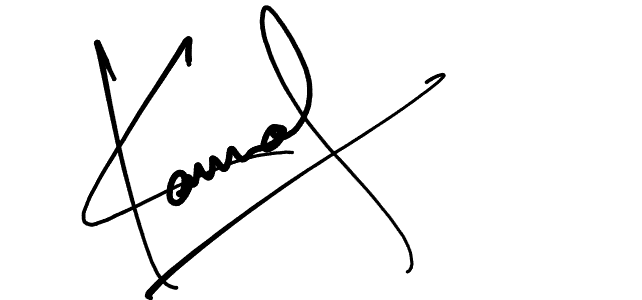
| Kamalpreet singh |
|
|
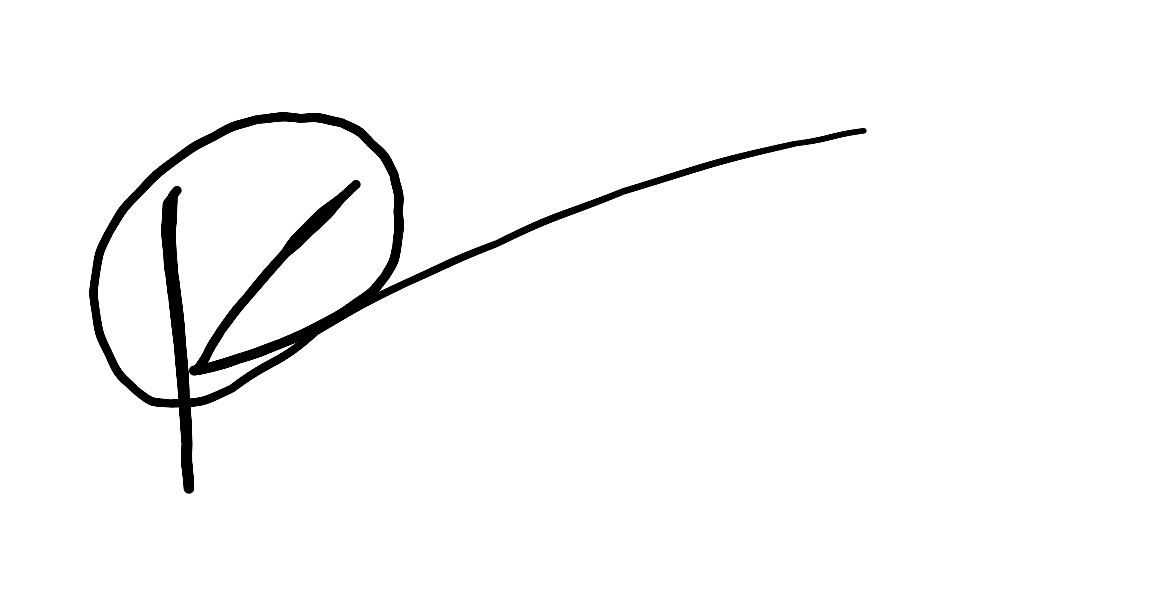
| Karan |
|
|
| Lovepreet Singh |
|
|
| Lovejeet Singh |

|
|
| Manjot Singh |

|
|
| Manwinder Singh |
|
|
| Manveer Singh |
|
|
| Mehakdeep Singh |
|
|
| Navkaran Singh |

|
|
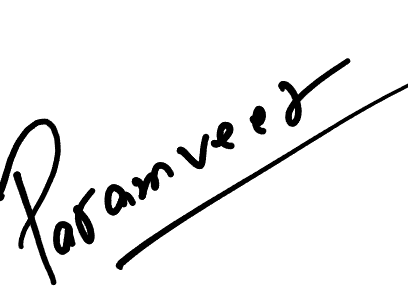
| Paramveer Singh |
|
|
| Sukhmandeep Singh |

|
|
| Sukhraj Singh |

|
|
| Suraj Parkash Singh |

|
|
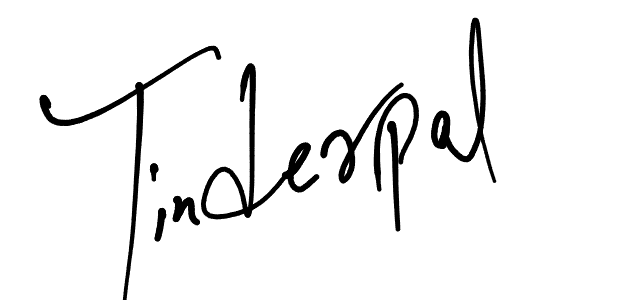
| Tinderpal Singh |
|
|
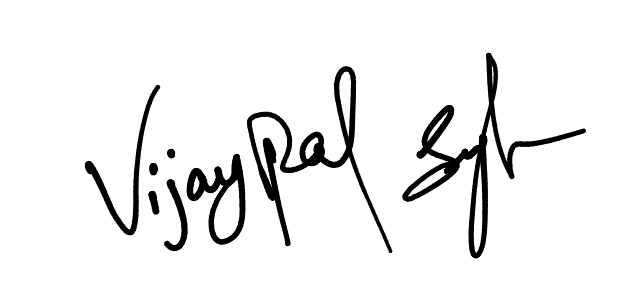
| Vijaypal Singh |
|