
|
Safe Job Procedure | Doc ID: SJP-14 |
| Rev: 00 | ||
| REBAR TIES | Date: |
SECTION 1 – GENERAL INFORMATION
| Prepared by: | Phone #: | ||
| Site/Project: | Site Address: | ||
| Prime Contractor/Client: | |||
| Prime Contact (Position & Name): | Phone #: | ||
| On-Site Contact (Position & Name): | Phone #: | ||
| Scope of Work Performed: | |||
| Any additional documents required? | (Hot work permits, Lift plan, Toolbox talk, etc.) | ||
| If YES, please indicate type and reason: | |||
1. Hazard Identification
All workers must wear the basic PPE and specialized PPE as required by site and task
| Task/activity steps | Potential Hazards present | Controls (PPE, Equipment, Training, documents, etc.) |
|---|---|---|
|
|
|
2. Preliminary Activities
Where multiple trade activity is scheduled, the priority of work will be reviewed for all trades by the prime contractor, and the appropriate time frame will be scheduled for each trade to complete their scope of work.
Prior to any work commencing supervisors must conduct a hazard assessment of all applicable work areas. Any hazards that are found during the hazard assessment must be addressed prior to any work commencing. Record findings in daily hazard assessment form
Pre-Job Safety Procedure
- Attend daily site meetings and safety meetings as necessary.
- Review and understand daily tasks.
- Obtain Safe Work Permit/Hot Work Permit as required.
- Ensure safety equipment is readily available (ex: fire extinguisher, etc.)
- Know how to properly select, use, and maintain PPE and safety equipment.
- Measure length of rebar and mark. Always wear gloves and eye protection when handling and tying rebar.
- Know location of fire extinguisher prior to cutting.
- Complete hot work permits as required.
- Inspect Quick-Cut Saw or Angle Grinder prior to use (remove from service if any defects are noted).
- Use quick cut saw or grinder to cut the rebar to the appropriate length.
- Place rebar as per plan. Speak to your supervisor if you have any questions.
- Tie the rebar. See the next page for Rebar-Tying Methods
- Chair the rebar and tie lapping rebar together with either zip ties or tie wire. (If available, use a mechanical rebar tying tool).
- Use pliers for efficient tying.
|
|
Safe Job Procedure | Doc ID: SJP-14 |
| Rev: 00 | ||
| REBAR TIES | Date: |
- Pull the feeding end from the wire reel with your non-dominant hand.
- Grip the end of wire with pliers in dominant hand and poke or push it behind the rebar.
- Bend or angle the end toward the place you will be grabbing the end of then reach from that side.
- Grip it again with the pliers, pull it toward the next place you will route it to, pulling enough slack wire to complete the tie.
- Hold resistance on wire with non-dominant hand, so wire bends snugly against the bar you're wrapping in each stage of the tie.
- Release the wire so the pliers can be used to grip it.
- Pull the end around the bar and twist the two ends of the wire together.
- Pull or tug the wire with the pliers so the tie is tight.
- Cap and vertical rebar stick-out with rebar caps. If caps are not available, bend rebar over or cap it with a 2x4 to protect workers.
DO …
- Put safety end caps on any exposed rebar to avoid serious injuries. The cut ends of the rebar are extremely sharp.
- Use the appropriate type of tie to avoid displacing the rebar.
- Use chairs to keep the rebar in the correct positions, speak to your supervisor.
- Routinely pick up scrap rebar to prevent tripping hazards.
- Watch for rebar protruding from concrete foundation work.
- Tuck in boot strings and pant legs to prevent hang-ups when walking through the working area.
- Store rebar off the ground on suitable material to prevent damage.
DO NOT …
- Place rebar supports too far apart—the rebar will bend in the middle due to its weight.
- Handle rebar with multiple pick-up points to minimize sagging.
- Drag rebar or treat it roughly to avoid the rebar from swinging back and striking workers.
- Do not arc weld rebar (only certain types of rebar stamped “W” can be welded).
3. Types of Ties For Concrete Rebar Reinforcement
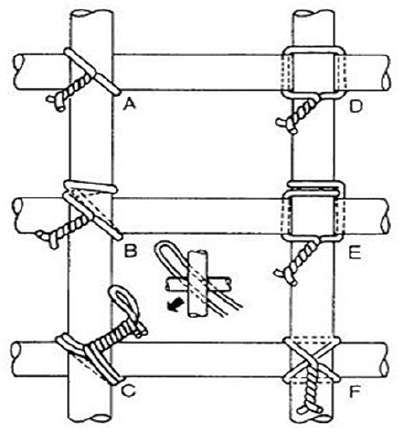
A. SNAP (SIMPLE) TIE: Mostly used on floor slabs, the snap, or simple tie is simply wrapped once around the two crossing bars in a diagonal manner with the two ends on top. The ends are then twisted together with a pair of side cutters until they are very tight against the bars. The loose ends are cut off.
B. WALL TIE: Used on light vertical mats of steel, the wall tie is made by taking one and one- half turns around the vertical bar, then one turn diagonally around the intersection. The two ends are twisted together until the connection is tight, then the excess is cut off.
C. DOUBLE-STRAND SINGLE TIE: Commonly used for heavy work, the double-strand tie is a variation of the simple tie.
D. SADDLE TIE: Used when tying rebar for walls or other vertical applications where rodbuster climbs on the rebar. The wires of the saddle tie pass half-way around one of the bars on either side of the crossing bar and are brought squarely or diagonally around the crossing bar. The ends are then twisted together. Cut the feed wire and bend the cut ends back.
|
|
Safe Job Procedure | Doc ID: SJP-14 |
| Rev: 00 | ||
| REBAR TIES | Date: |
E. SADDLE TIE WITH TWIST: Used for heavy mats to be lifted by crane, the saddle tie with twist is a variation of the saddle tie. The tie wire is carried completely around one of the bars, then squarely across and halfway around the other, either side of the crossing bars, and finally brought together and twisted either squarely or diagonally across.
F. FIGURE ‘8’ OR CROSS TIE has the advantage of causing little or no twist in the bars. It helps hold perpendicular bars tight while preventing them from racking or moving diagonally. Pull the wire around the rear (from rodbuster) bar, diagonally across the front bar, back around rear bar, diagonally in the opposite direction across the front bar, then twisting back around the beginning wire. Cut wire feeding off the reel. Bend cut ends back towards the tie so no sharp ends project from the tie.
|
|
SJP Acknowledgment | Doc ID: SJP-14 |
| Rev: 00 | ||
| Employee Sign-Off Record | Date: |
Employee Declaration: I confirm that I have read, understood, and will strictly comply with the Safe Job Procedure for Rebar Ties. I agree to utilize required PPE, actively participate in pre-task meetings, and immediately report any unsafe conditions. I acknowledge that failure to follow this SJP may result in disciplinary action.
| Employee Name (Print) | Signature | Date |
|---|---|---|
| Arshdeep Singh |

|
|
| Badal dhakal |
|
|
| Bandeep Singh |
|
|
| Beerinder |

|
|
| Bhavkaran Singh |

|
|
| paramjeet Singh |

|
|
| Akashdeep Singh |

|
|
| Emmanuel Ackom |
|
|
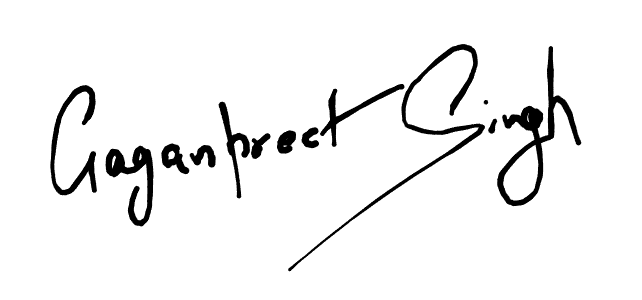
| Gaganpreet Singh |
|
|
| Gursewak singh |

|
|
| Harjot Singh |

|
|
| Jasspreet Singh |

|
|
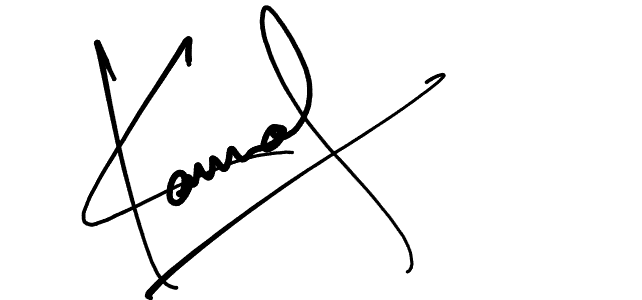
| Kamalpreet singh |
|
|
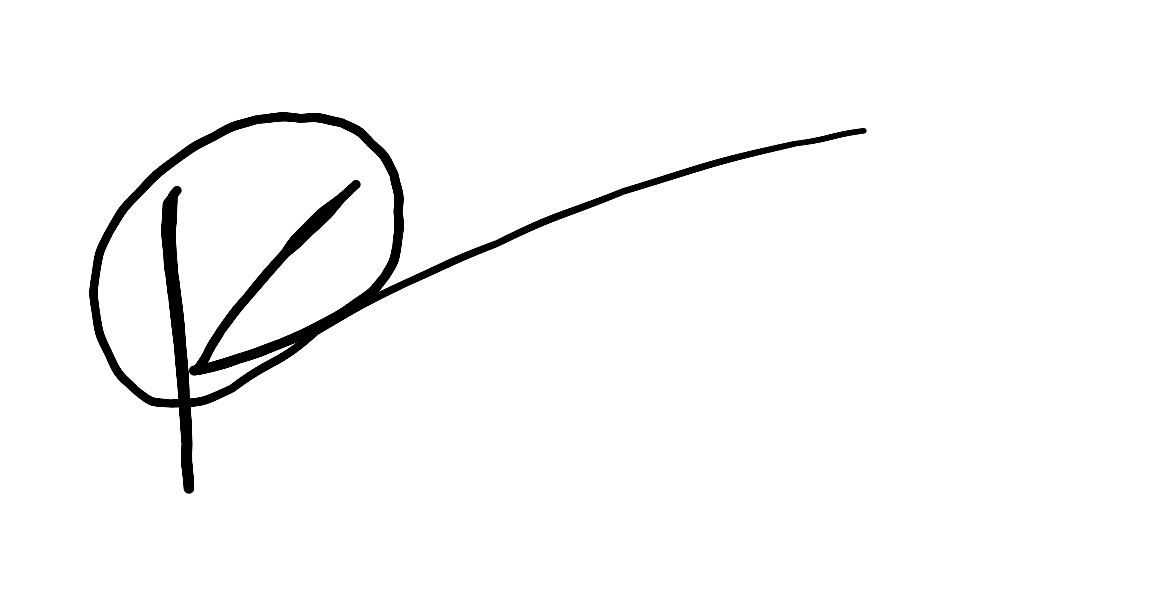
| Karan |
|
|
| Lovepreet Singh |

|
|
| Lovejeet Singh |

|
|
| Manjot Singh |

|
|
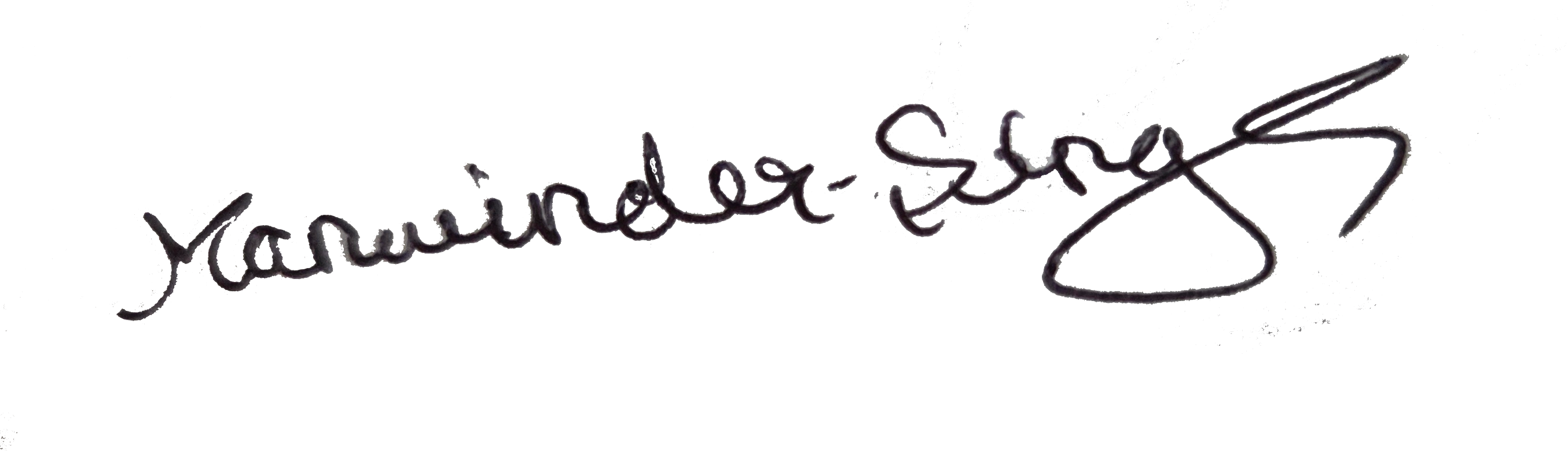
| Manwinder Singh |
|
|
| Manveer Singh |
|
|
| Mehakdeep Singh |
|
|
| Navkaran Singh |

|
|
| Paramveer Singh |
|
|
| Sukhmandeep Singh |

|
|
| Sukhraj Singh |

|
|
| Suraj Parkash Singh |

|
|
| Tinderpal Singh |

|
|
| Vijaypal Singh |
|