 |
Safe Job Procedure | Doc ID: SJP-04-10 |
| Rev: 00 | ||
| APPROACHING AND MANAGING SUSPECTED IMPAIRED WORKERS | Date: |
SECTION 1 – GENERAL INFORMATION
| Prepared by: | Phone #: | ||
| Site/Project: | Site Address: | ||
| Prime Contractor/Client: | |||
| Prime Contact (Position & Name): | Phone #: | ||
| On-Site Contact (Position & Name): | Phone #: | ||
| Scope of Work Performed: | |||
| Any additional documents required? | (Hot work permits, Lift plan, Toolbox talk, etc.) | ||
| If YES, please indicate type and reason: | |||
2. Hazard Identification
| Task/activity steps | Potential Hazards present | Controls (PPE, Equipment, Training, Documents, etc.) |
|---|---|---|
|
|
|
3. Procedure
3.1 OBSERVATION AND IDENTIFICATION
Always base suspicions on observable facts, not rumors or assumptions. Look for signs of impairment such as:
- Slurred speech or unsteady gait.
- Smell of alcohol or cannabis on the breath.
- Uncharacteristic behaviour (e.g., aggression, excessive drowsiness, erratic mood swings).
- Declining work performance or near-miss incidents.
3.2 PREPARATION BEFORE APPROACHING
Before taking action:
- Review the Impairment Policy. Understand the specific steps mandated by your organization.
- Involve a Second Observer: Always bring another supervisor, manager, or HR representative to witness the interaction. This ensures objectivity and protects all parties.
- Ensure Safety First. If the worker is operating machinery or performing a safety-sensitive task, immediately intervene to stop the activity.
|
Safe Job Procedure | Doc ID: SJP-04-10 |
| Rev: 00 | ||
| APPROACHING AND MANAGING SUSPECTED IMPAIRED WORKERS | Date: |
3.3 THE APPROACH (INTERVENTION)
- Choose a Private, Safe Location. Avoid confronting the worker publicly. Ask them to accompany you to a quiet, confidential area (e.g., an office or meeting room). Example: "Can we step into the office for a moment? I need to discuss something with you."
- Be Respectful and Non-Accusatory. Focus on the behavior and safety, rather than making accusations about drug or alcohol use. Example: "I’ve noticed that you’re stumbling and your speech seems slurred. I’m concerned about your safety and whether you’re fit to work today."
- State the Observations Clearly. Use objective terms. Example: "We observed that you missed a critical safety step on the machine and you seem unusually tired. Because of our commitment to safety, we need to address this."
- Give the Worker an Opportunity to Explain. The impairment could be due to a medical condition, fatigue, or stress. Listen actively. Example: "Is there something going on that might explain what I’m seeing? Are you feeling unwell?"
3.4 MANAGING THE SITUATION
Depending on the worker's response and your organization’s policy:
- Remove the Worker from Safety-Sensitive Duties. Regardless of the cause, if the worker is unfit, they must not continue working.
- Determine the Next Steps:
- If a Medical Emergency: Call 911 or follow first-aid protocols if the impairment seems related to a severe health issue (e.g., diabetic shock, stroke).
- If Suspected Substance Use: Follow your company’s drug and alcohol testing policy. If reasonable cause testing is required, explain the process. Example: "Based on our observations and company policy, we need to ask you to undergo a fitness-for-duty assessment/test."
3.5 ARRANGING TRANSPORTATION
Never allow a suspected impaired worker to drive themselves home.
- Arrange for a taxi, ride-share, or have a responsible family member/friend pick them up.
- If the worker insists on driving, strongly advise against it. Inform them that if they attempt to drive, you will have to notify the police for their safety and the safety of the public.
3.6 DOCUMENTATION
Immediately after the intervention:
- Complete an Incident/Observation Report. Both observers should document what they saw, heard, and the actions taken.
- Stick to the facts. Avoid assumptions or diagnosing the worker. Keep records confidential and secure.
3.7 FOLLOW-UP AND SUPPORT
- Initiate the Return-to-Work Process. Once the worker is sober or the issue is resolved, schedule a meeting to discuss the incident before they resume work.
- Offer Support. If the impairment is due to substance abuse or a personal issue, provide information about the Employee Assistance Program (EAP) or other available resources.
- Determine Consequences. If a policy violation occurred, follow the disciplinary procedures outlined in the company policy, which may include suspension, mandatory treatment, or termination.
|
SJP Acknowledgment | Doc ID: SJP-04-10 |
| Rev: 00 | ||
| Employee Sign-Off Record | Date: |
Employee Declaration: I confirm that I have read, understood, and will strictly comply with the Safe Job Procedure for Approaching and Managing Suspected Impaired Workers. I agree to utilize required PPE, actively participate in pre-task meetings, and immediately report any unsafe conditions. I acknowledge that failure to follow this SJP may result in disciplinary action.
| Employee Name (Print) | Signature | Date |
|---|---|---|
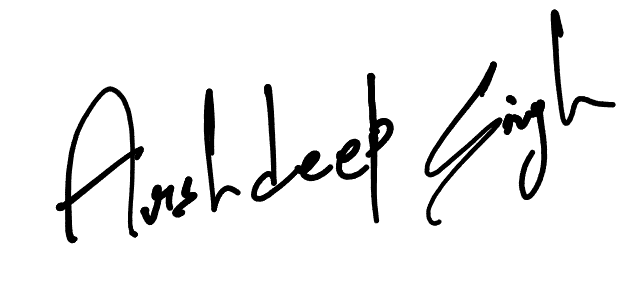
| Arshdeep Singh |
|
|
| Badal dhakal |

|
|
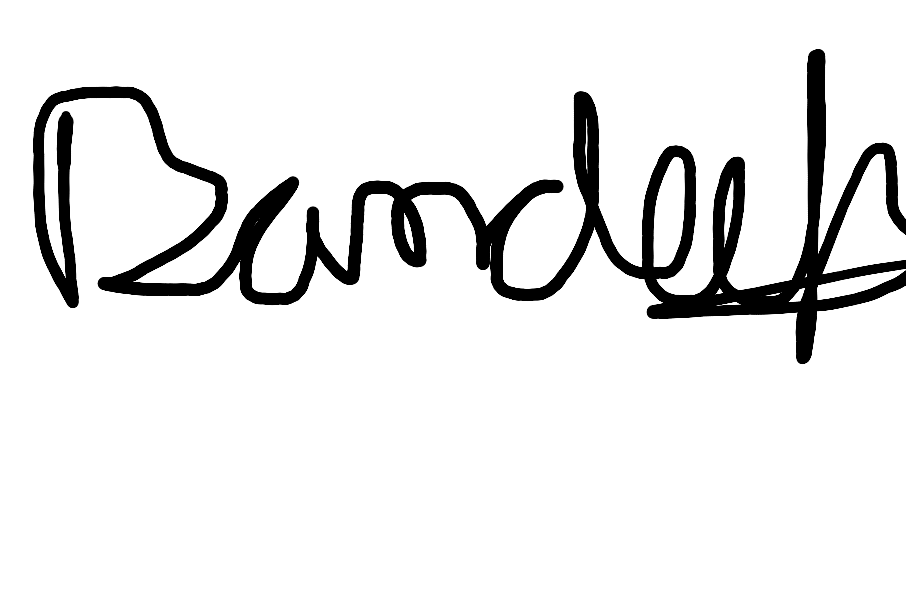
| Bandeep Singh |
|
|
| Beerinder |

|
|
| Bhavkaran Singh |

|
|
| paramjeet Singh |

|
|
| Akashdeep Singh |

|
|
| Emmanuel Ackom |

|
|
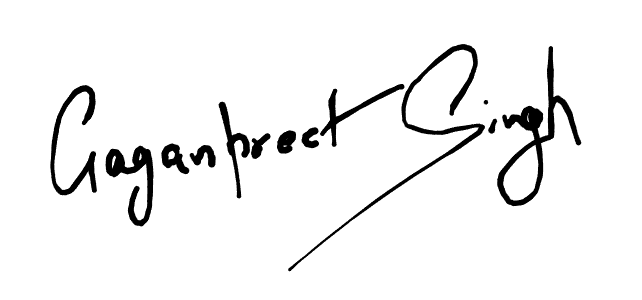
| Gaganpreet Singh |
|
|
| Gursewak singh |

|
|
| Harjot Singh |

|
|
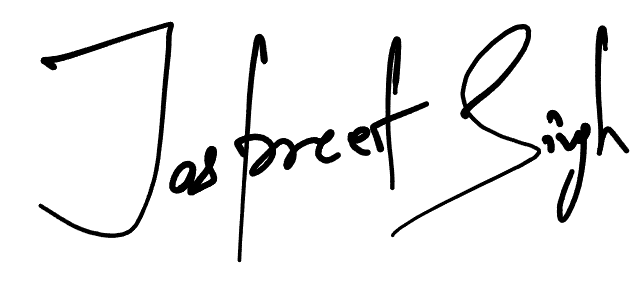
| Jasspreet Singh |
|
|
| Kamalpreet singh |

|
|
| Karan |

|
|
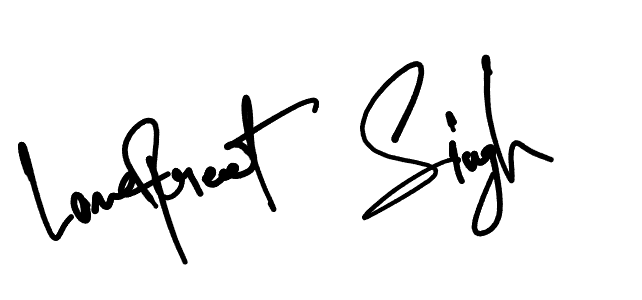
| Lovepreet Singh |
|
|
| Lovejeet Singh |

|
|
| Manjot Singh |

|
|
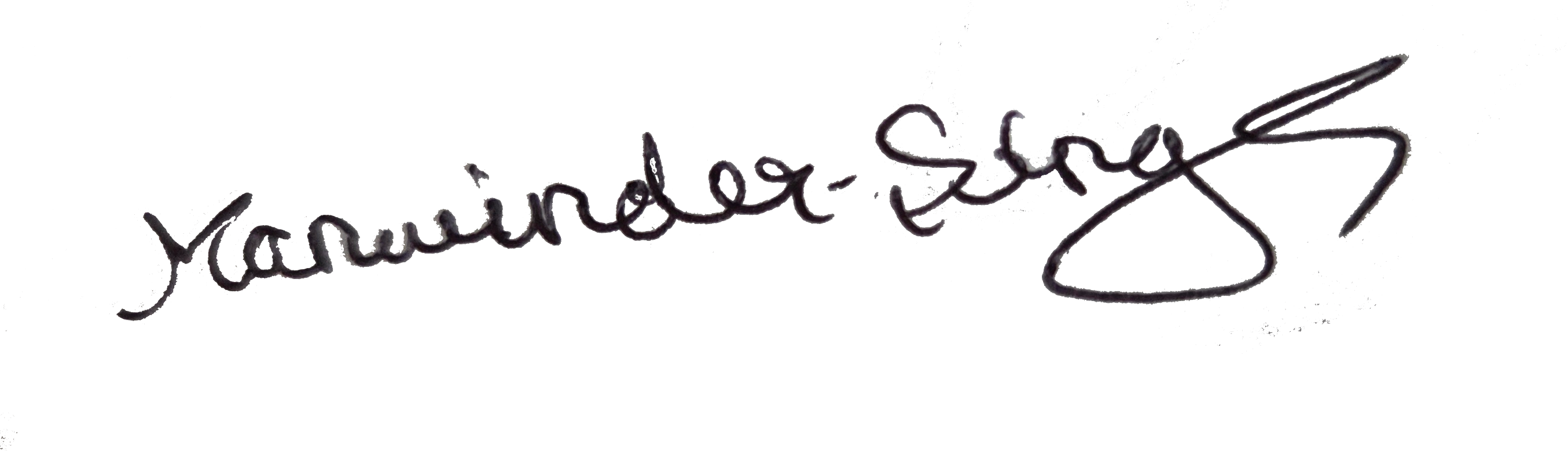
| Manwinder Singh |
|
|
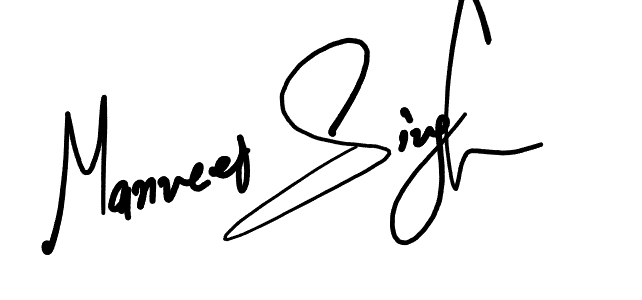
| Manveer Singh |
|
|
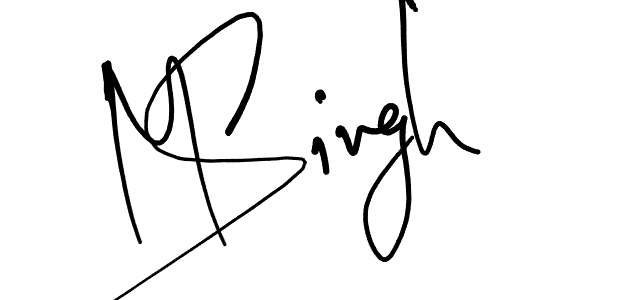
| Mehakdeep Singh |
|
|
| Navkaran Singh |

|
|
| Paramveer Singh |
|
|
| Sukhmandeep Singh |

|
|
| Sukhraj Singh |

|
|
| Suraj Parkash Singh |

|
|
| Tinderpal Singh |
|
|
| Vijaypal Singh |
|