 |
Safe Job Procedure | Doc ID: SJP-04-16 |
| Rev: 00 | ||
| GAS CUTTING TOOLS (OXY-ACETYLENE / PROPANE) | Date: |
SECTION 1 – GENERAL INFORMATION
| Prepared by: | Phone #: | ||
| Site/Project: | Site Address: | ||
| Prime Contractor/Client: | |||
| Prime Contact (Position & Name): | Phone #: | ||
| On-Site Contact (Position & Name): | Phone #: | ||
| Scope of Work Performed: | |||
| Any additional documents required? | (Hot work permits, Lift plan, Toolbox talk, etc.) | ||
| If YES, please indicate type and reason: | |||
2. Hazard Identification
| Task/activity steps | Potential Hazards present | Controls (PPE, Equipment, Training, Documents, etc.) |
|---|---|---|
|
|
|
3. Procedure
3.1 PRELIMINARY PREPARATION
- Hot Work Permit: A Hot Work Permit must be issued by the site supervisor before any cutting begins.
- Establish a Fire Watch: A designated Fire Watch must be present during the cutting operation and for at least 30-60 minutes after the work is completed (refer to site-specific rules). The Fire Watch must have a charged fire extinguisher immediately available.
- Clear the Area: Remove all flammable and combustible materials within a 35-foot (11m) radius of the cutting area. If materials cannot be moved, cover them with fire-resistant blankets.
- Ventilation: Ensure adequate ventilation in the work area to prevent the accumulation of toxic fumes or explosive gases.
|
Safe Job Procedure | Doc ID: SJP-04-16 |
| Rev: 00 | ||
| GAS CUTTING TOOLS (OXY-ACETYLENE / PROPANE) | Date: |
3.2 EQUIPMENT INSPECTION
- Check Regulators and Hoses: Inspect hoses for cuts, burns, or worn spots. Check regulators, gauges, and the torch body for damage. Defective equipment must be tagged "Out of Service" and removed immediately.
- Flashback Arrestors: Ensure flashback arrestors and reverse flow check valves are installed at the regulators and the torch handle.
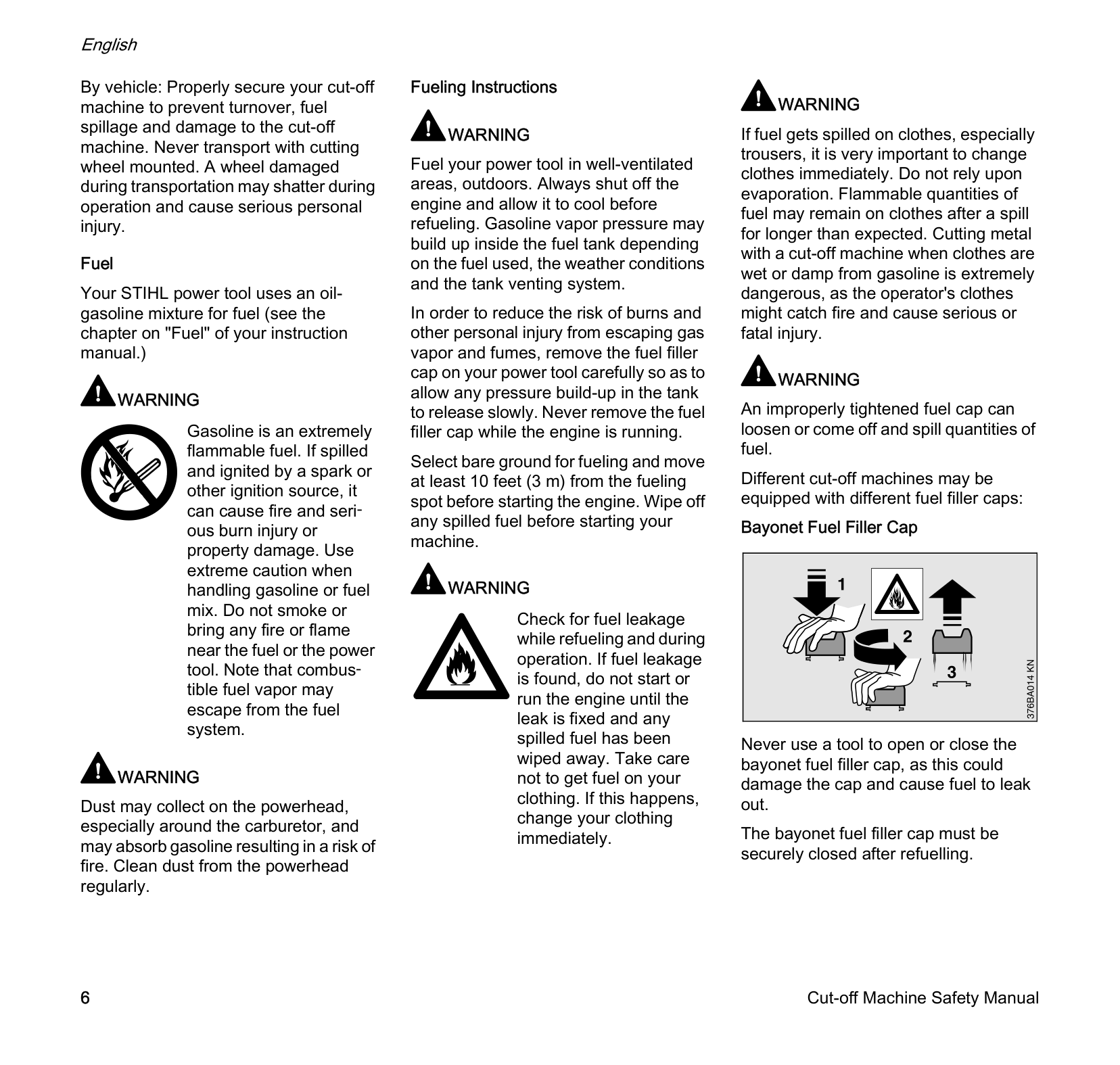
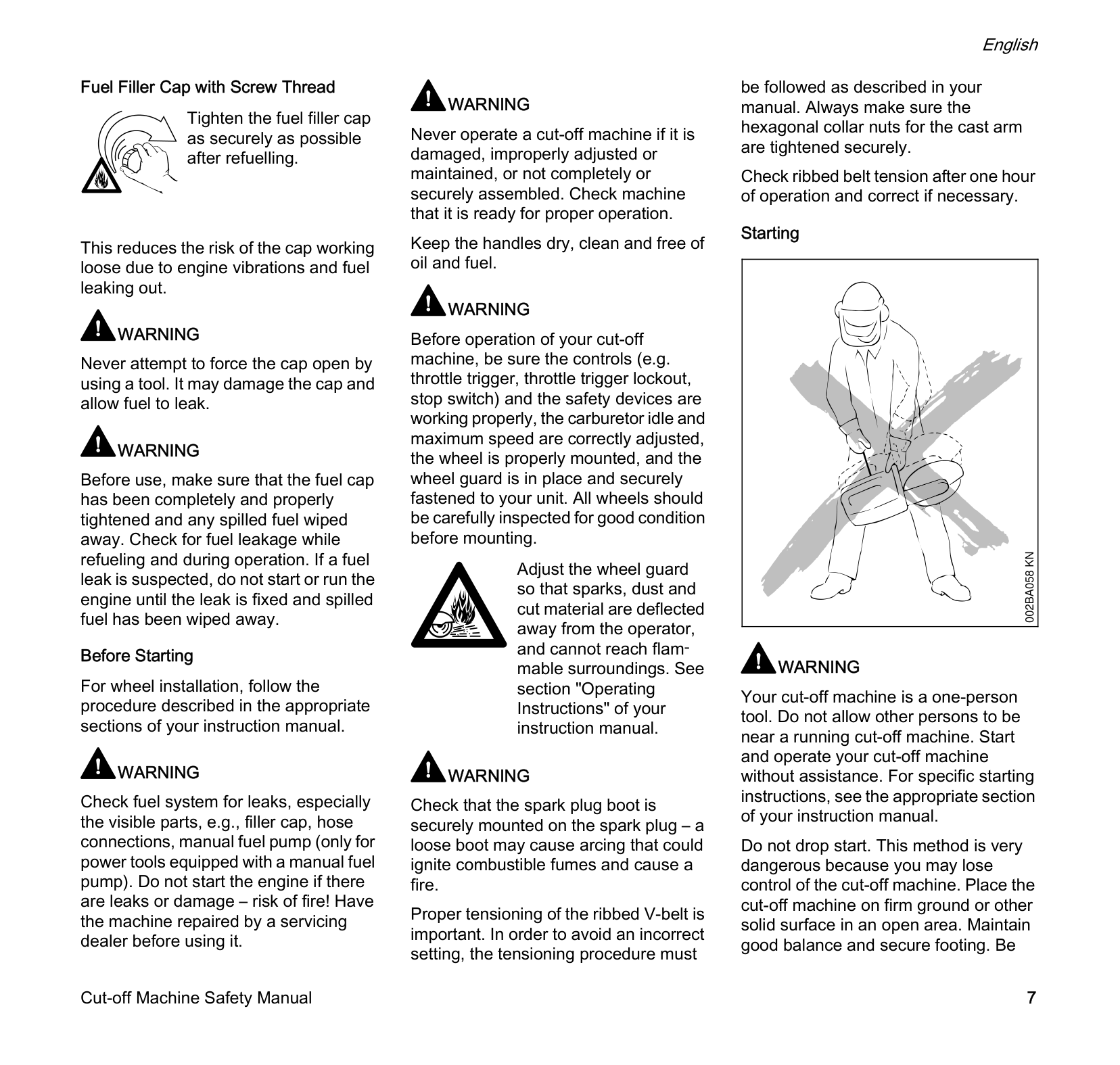
- Leak Testing: Before lighting the torch, test all connections (cylinder valves, regulators, hoses, torch) with an approved leak detection solution (e.g., soapy water). NEVER use a flame to check for gas leaks.
- Keep Oil and Grease Away: Ensure your hands, gloves, tools, and the equipment itself are completely free of oil and grease. Oxygen combined with oil or grease can spontaneously ignite or explode.
3.3 OPERATION PROCEDURES
- Lighting the Torch: Use only an approved friction spark lighter (striker) to light the torch. Never use matches or a cigarette lighter.
- Opening Valves: Open the cylinder valves slowly. Open the oxygen valve fully. Open the acetylene valve no more than 1/2 to 3/4 of a turn so it can be shut off quickly in an emergency.
- Operating Pressure: Set the regulators to the manufacturer's recommended pressures for the tip size being used. NEVER set acetylene pressure above 15 psi, as it becomes highly unstable and explosive.
- During Cutting: Keep the hoses behind you and out of the path of sparks and slag. Do not cut directly against concrete, as the heat can cause the concrete to spall and explode.
3.4 SHUTTING DOWN
- Close the oxygen valve on the torch first, then close the acetylene/fuel gas valve.
- Close both cylinder valves securely.
- Open the torch valves one at a time to bleed the lines and release pressure from the regulators. Close the torch valves once the gauges drop to zero.
- Back off the regulator adjusting screws until they are loose (free from tension).
- Neatly coil the hoses and securely store the torch.
3.5 HANDLING AND STORAGE OF CYLINDERS
- Securing Cylinders: All compressed gas cylinders (empty or full) must be stored and transported in an upright position and secured with chains or specialized carts to prevent them from falling over.
- Caps On: Valve protection caps must be firmly screwed in place whenever cylinders are transported, stored, or not actively in use.
- Separation: Oxygen cylinders must be stored at least 20 feet (6m) away from fuel gas cylinders (acetylene, propane) or separated by a non-combustible barrier at least 5 feet (1.5m) high with a half-hour fire resistance rating.
|
SJP Acknowledgment | Doc ID: SJP-04-16 |
| Rev: 00 | ||
| Employee Sign-Off Record | Date: |
Employee Declaration: I confirm that I have read, understood, and will strictly comply with the Safe Job Procedure for Gas Cutting Tools. I agree to utilize required PPE, actively participate in pre-task meetings, and immediately report any unsafe conditions. I acknowledge that failure to follow this SJP may result in disciplinary action.
| Employee Name (Print) | Signature | Date |
|---|---|---|
| Arshdeep Singh |
|
|
| Badal dhakal |

|
|
| Bandeep Singh |
|
|
| Beerinder |

|
|
| Bhavkaran Singh |

|
|
| paramjeet Singh |

|
|
| Akashdeep Singh |

|
|
| Emmanuel Ackom |
|
|
| Gaganpreet Singh |
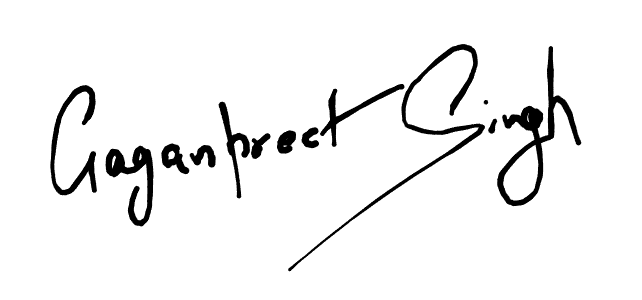
|
|
| Gursewak singh |

|
|
| Harjot Singh |

|
|
| Jasspreet Singh |
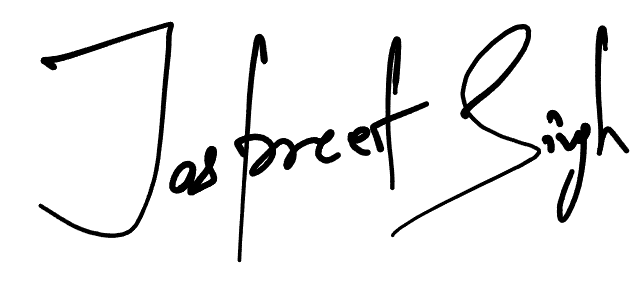
|
|
| Kamalpreet singh |
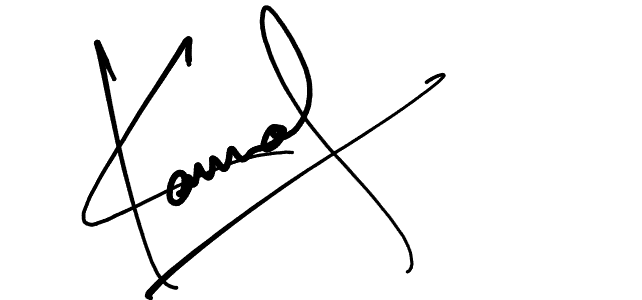
|
|
| Karan |

|
|
| Lovepreet Singh |
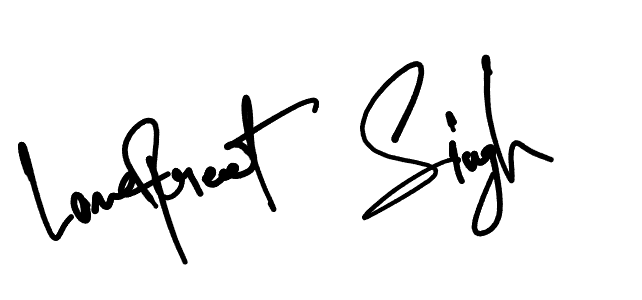
|
|
| Lovejeet Singh |

|
|
| Manjot Singh |

|
|
| Manwinder Singh |
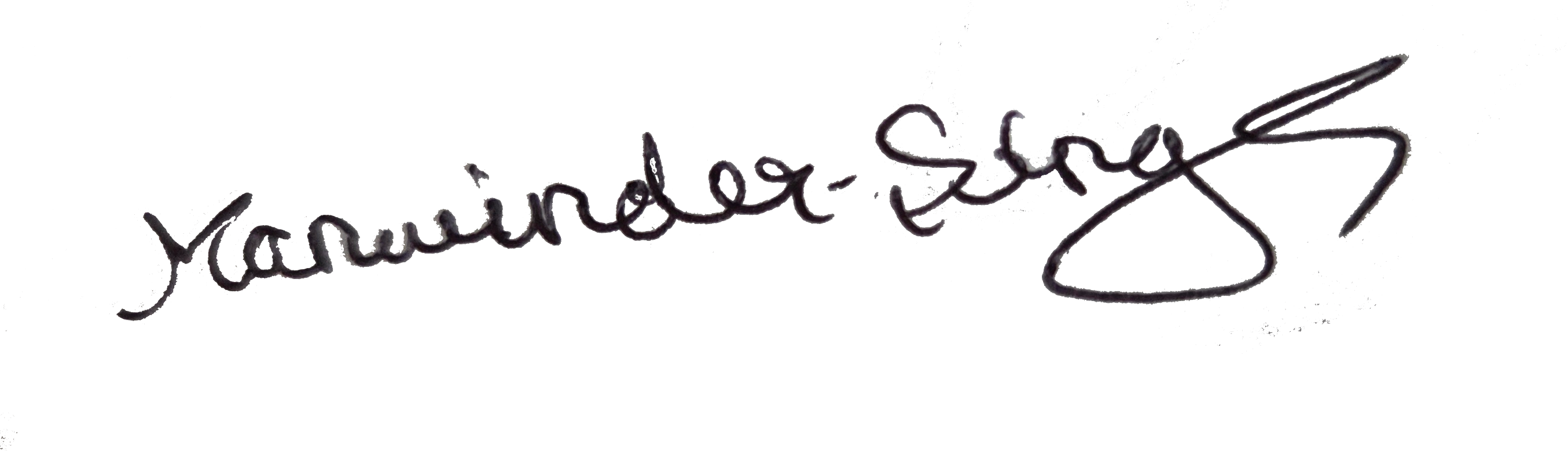
|
|
| Manveer Singh |
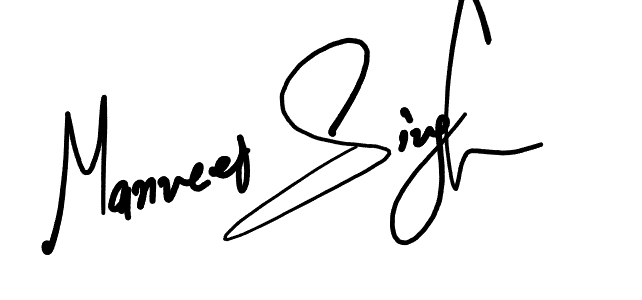
|
|
| Mehakdeep Singh |
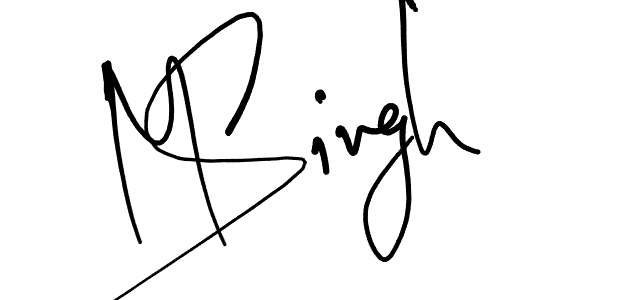
|
|
| Navkaran Singh |

|
|
| Paramveer Singh |
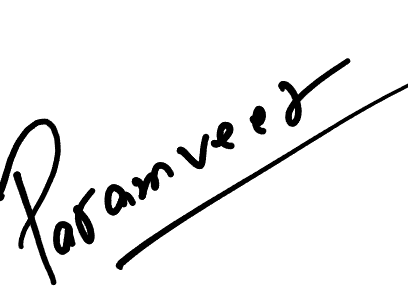
|
|
| Sukhmandeep Singh |

|
|
| Sukhraj Singh |

|
|
| Suraj Parkash Singh |

|
|
| Tinderpal Singh |

|
|
| Vijaypal Singh |
|