
|
Safe Job Procedure | Doc ID: SJP-03-01 |
| Rev: 00 | ||
| FIRST AID PROCEDURES | Date: |
SECTION 1 – GENERAL INFORMATION
| Prepared by: | Phone #: | ||
| Site/Project: | Site Address: | ||
| Prime Contractor/Client: | |||
| Prime Contact (Position & Name): | Phone #: | ||
| On-Site Contact (Position & Name): | Phone #: | ||
| Scope of Work Performed: | |||
| Any additional documents required? | (Hot work permits, Lift plan, Toolbox talk, etc.) | ||
| If YES, please indicate type and reason: | |||
2. Hazard Identification
All workers must wear the basic PPE and specialized PPE as required by site and task
| Task/activity steps | Potential Hazards present | Controls (PPE, Equipment, Training, Documents, etc.) |
|---|---|---|
|
|
|
3. Practices
PRELIMINARY ACTIVITIES
Where multiple trade activity is scheduled, the prime contractor is to review in advance the priority of work and schedule the appropriate time frame to allow each trade to complete their scope of work.
Prior to any work commencing supervisors must conduct a hazard assessment of all applicable work areas. Any additional hazards found during the hazard assessment must be addressed prior to any work commencing.
GENERAL GUIDELINE FOR WORKING SAFELY
- Comply with OH&S Regulations.
- Wear and use the required PPE and ensure that the equipment to be used is in proper working conditions.
- Ensure the general public is protected.
- Before starting, all personnel involved will be made aware of the dangers in this area and then notify all those on site.
- At the start of each site, complete a first aid assessment to determine the level of first aid attendant, how many attendants are required, the types of equipment and supplies required, and the types of transportation required for injured workers.
- First aid procedures and first aid kit must comply with the OH&S Regulations. A first aid kit must be available at or near the work area while workers are present on site. Check your first aid supply weekly and re-order inventory to ensure enough supply is on hand as per the level of the first aid kit and First Aid Assessment.
- Employers (not prime contractors) are responsible for ensuring relevant information is translated to their employees where necessary.
- Supervisors or workers wanting to work outside the projects regular work hours must comply with local, WorkSafeBC and First Aid Regulations and coordinate with the General Contractor on site. Complete the After-Hours Weekend Work Request form.
|
|
Safe Job Procedure | Doc ID: SJP-03-01 |
| Rev: 00 | ||
| FIRST AID PROCEDURES | Date: |
- All First Aid Attendant/Assistant must complete the Hepatitis B Acknowledgement form. If HBV vaccination is requested, coordinate with your office or site supervisor.
- Follow your first aid training.
- Always wear waterproof disposable gloves (such as natural rubber latex, neoprene, nitrile, and vinyl) when providing first aid assessment and treatment to prevent transmission of disease.
- Have SDS sheets on the jobsite for 9-1-1 responders.
- Call the Poison Control Center for chemical ingestion.
- Don’t hesitate to call 9-1-1 if in doubt.
- When a workplace has multiple first aid attendants:
- First Aid Attendant with higher certification is the lead attendant for serious incidents and serious injuries.
- Lower-level attendants should consult with the higher-level attendant to ensure that the higher level attendant has no additional treatment options to offer the injured worker prior to discharge.
- In locations with same level of certification, the longest first aid attendant on service or the 1st first aid attendant on scene leads.
- For major events, serious incidents, and serious injuries all designated attendants should respond.
- Once care is initiated, an attendant cannot hand off care to an attendant with lower level of certification.
GENERAL FIRST AID PROCEDURE
- Ensure workers on site know who the first aid attendant(s) are (i.e. post a sign on the first aid room and or safety board who the first aid attendants are and their contact information). This information must be provided during a worker’s orientation on site.
- Know emergency or rescue call signs, while on site. On this site the emergency or rescue call sign is:
First aid: _______________ Evacuation: _______________ - Know where first aid equipment and supplies are stored.
- If a DEP or other rescue equipment will be used to rescue workers, ensure a mock run is done and repeated when there are new personnel involved in the rescue plan.
IN THE EVENT OF AN INJURY
- Ensure the accident scene is safe and that there is no further danger to you or the injured person.
- Do not move the injured person unless there is a high risk of further injury and it is safe for you.
- Keep calm and do not leave the injured worker unattended.
- Contact the First Aid Attendant immediately and report the exact location of the patient and the patient’s condition (nature of injury and if the worker is conscious or unconscious)
- First aid attendant must provide a response immediately and confirm they are on their way and, if possible, an ETA, i.e. 2 minutes away. Priority to the injured worker must be given.
- First Aid attendant to take control over responsibility of patient and incident scene. Be prepared to assist when directed by the First Aid Attendant.
- First aid attendant will evaluate the injury:
- If worker is not in the RTC category, First Aid Attendant to decide how to move the employee from the area. If employee is not RTC (Rapid Transport Category), a company Supervisor or First Aid Attendant will transport injured employee to medical aid.
- If worker is in the RTC category:
- First aid attendant request assistance
- First aid attendant to designate person to call first responders and give the following information
- State that it is a medical emergency
- State what type of emergency
- Give the exact location and the name of the closest cross streets
- Give the telephone number from which you are calling
|
|
Safe Job Procedure | Doc ID: SJP-03-01 |
| Rev: 00 | ||
| FIRST AID PROCEDURES | Date: |
- If required, send for assistance (ambulance, first aid attendants, etc.) as quickly as possible. Ensure that the individual who was instructed to call for assistance has summoned help. A typical request is “Call an ambulance or 911 (where operational) and ask for assistance; then report back to me.”
- After the first responders have been called, the person reports back to First aid attendant and confirm the call and give the estimated time that it will take for the ambulance to arrive.
- First aid attendant to have designated person go to the entrance and wait for the first responders. Ensure this person has a radio or phone to communicate with the first aid attendant. The designated person will wait for first responders and escort them to the incident scene.
- Once the first responders have been called, First aid attendant is to observe the injured employee carefully for any change in condition and try to reassure the employee that help is on the way.
- First aid attendant to act accordingly to was learned in the First Aid course and also take in consideration:
While a designated First aid attendant has the responsibility and the authority to provide first aid in the workplace, all workers have the right to refuse treatment. As a result, it is important to receive consent from every conscious, mentally competent adult before you provide treatment. There are two types of consent:
Actual consent – refers to a patient making an informed decision. This may be provided as verbal consent or when the patient sits down in the first aid room and presents an injury to the First aid attendant.
Implied consent – consent refers to a situation where a patient is unable to respond and the law assumes that the patient would give consent in an emergency situation if able.
First aid attendant do not have authority to override a worker’s decision to seek medical treatment or the worker’s choice of medical aid. If the worker refused to go to medical aid, they must sign a waiver.
- Do not move or give the employee food or drink.
- Stay calm and keep an even tone in your voice.
- Establish your priorities in giving first aid. (If you are trained/certified in first aid, follow the ABCDE’s.) There are four instances when speed is essential:
- Obstructed airway,
- Not breathing,
- No pulse, and
- Severe bleeding.
- If the injured person is not breathing or has no heart beat, follow the RTC scenario in the Emergency Action Plan and perform CPR if trained to do so until paramedics arrive. If not trained, seek trained help promptly.
- If the injured person is breathing, severe bleeding should be controlled at once, follow the RTC scenario in the Emergency Action Plan and:
- Get a thick pad of cloth, sanitary napkin, gauze or clothing (the cleaner the better) and
- Apply direct pressure to the wound by pressuring the pad directly down on the wound. When bleeding is controlled, add (do not remove original pad) more layers of cloth and bandage firmly.
- Place the casualty at rest
- Check circulation below the injury.
|
|
Safe Job Procedure | Doc ID: SJP-03-01 |
| Rev: 00 | ||
| FIRST AID PROCEDURES | Date: |
- Never remove protruding or embedded objects from the wound. Do not apply pressure directly on these particular objects when attempting to control bleeding. Pressure can be applied around the base of the protruding object. Follow the RTC scenario in the Emergency Action Plan.
- Use an eye wash bottle to remove loose particles or chemicals from an eye. Unless trained to do so, never remove embedded particles or foreign objects protruding from the eye.
- With any injury, watch for signs of shock.
- Reassure the patient and keep them as comfortable as possible.
- If the injured worker has been unconscious, semiconscious or has suffered from dizziness or severe headache, it is essential to get him to a hospital as quickly as possible. Follow the RTC scenario in the Emergency Action Plan.
- When the first responders arrive, tell them what happened, how it happened and what has been done.
- At this point the first aid attendant will hand over patient care and First Aid Patient Assessment Record to the first responders.
- Have an employer rep. accompany the injured person to the hospital.
- Have an employer representative arrange to contact family members as soon as possible.
- Safety Coordinator/Manager to start compiling witness statements & completing incident investigation.
- If the nature of the injury is a RTW requiring modified duties, follow the Company’s Return to Work Program.
- If the nature of the injury is not an RTC but resulted in medical aid, follow the NON-RTC scenario in the Emergency Action Plan.
- An investigation is required immediately following an RTC and or any medical aid treatment. Form 7 Employer’s Report of Injury or Occupational Disease must be completed and submitted to the Board within 3 days of the injury.
- If the nature of the incident is a reportable incident under WCA68, contact WSBC immediately.
- An employer must immediately notify the Board of the occurrence of any accident that:
- resulted in serious injury to or the death of a worker,
- involved a major structural failure or collapse of a building, bridge, tower, crane, hoist, temporary construction support system or excavation,
- involved the major release of a hazardous substance,
- involved a fire or explosion that had a potential for causing serious injury to a worker, or
- was an incident required by regulation to be reported.
- Except as otherwise directed by an officer of the Board or a peace officer, a person must not disturb the scene of an accident that is reportable under 21(a) unless it is necessary to attend to persons injured or killed, prevent further injuries or death, or protect property that is endangered as a result of the accident.
- An employer must immediately notify the Board of the occurrence of any accident that:
HANDLING BLOOD AND BODILY FLUID
The following precautions should be taken with regards to Blood and Bodily Fluid:
- Rubber or latex gloves must be worn when an employee may come into contact with the following:
- Blood
- Open sores or lesions
- Urine or Feces
- Other bodily fluids
- Cloth or equipment soiled with bodily fluids.
- Hands must be washed immediately and thoroughly after contact with a patient, equipment or other surface soiled with bodily fluids.
- Equipment, instruments, stretchers, floors and any other surface that becomes contaminated with blood or bodily fluids must be washed thoroughly with a disinfectant and warm water.
|
|
Safe Job Procedure | Doc ID: SJP-03-01 |
| Rev: 00 | ||
| FIRST AID PROCEDURES | Date: |
- Contaminated or soiled linen should be handled as little as possible. Gloves must be worn. The linen must be placed in a bag with a WHMIS workplace label displayed on the bag explaining that there is blood or bodily fluid contamination (Biohazardous and Infectious). Soiled linen must not remain in the first aid room for more than 24 hours.
KEEP BROKEN SKIN COVERED
Cuts, scrapes, dermatitis, chapping, and other injuries can cause breaks in your skin. It is important to protect fresh breaks because they can provide an entry route for blood borne pathogens. Cover injuries or non-intact skin with a waterproof dressing or bandage if there is a possibility that you may contact blood and certain body fluids – even though you wear gloves. The bandage will provide more protection to the broken skin in case the glove is punctured and to prevent body fluids from escaping.
PICKING UP SHARPS FOUND IN PUBLIC PLACES
- Do not pick up sharps unless you have the proper equipment and PPE, and you have been instructed how to do safely. Equipment and PPE required are disposable waterproof gloves, tongs and a sharp container.
- Donne on the gloves and proceed to the are with tongs and a sharp container.
- Do not pick up anything with the intention of discarding it later. For example, don’t put a used needle in your pocket that is not in a proper pocket container. You could injure yourself before you discard it.
- Do not place needles in regular garbage under any circumstances – you may create a hazard for others.
- Do not reach for objects you cannot see.
- Look before reaching. Do not use your hands to feel or reach into any area or container if you cannot see the contents or if you do not know what is there. Use a long-handled stick or other object to explore hidden spots. A flashlight could be used to move objects and to shed light on hard to see objects.
- Empty the contents of purses, packs and other containers by turning them upside down over a table or other flat surface.
HANDLE SHARPS UNRELATED TO WORK ACTIVITIES (I.E. SHATTERED GLASS)
If a sharp is observed by a worker on site, he/she must immediately inform the supervisor or safety coordinator. The worker will remain in the area and ask another worker to inform the supervisor or safety coordinator. This will ensure no other workers will come into contact with the sharp.
To handle and dispose sharps once it is discovered and reported:
- Put on disposable waterproof gloves.
- Bring the sharps container to the scene. DO NOT attempt to bring the sharp to the container.
- Place the sharps container on a steady surface near the sharp.
- Using tongs, pick up the sharp in the middle of the shaft.
- Place the sharp into the sharps container sharp end first! Keep the sharp end of the needle pointing away from you at all time! DO NOT try to recap the needle, DO NOT try to break the needle.
- Place the lid on the sharps container.
- Return the sharps container to its storage location
- Remove gloves carefully without making bare skin contact to the outer contaminated surface. Discard the gloves.
- Wash hands thoroughly with soap and water.
- Do not overfill the sharps container. Call for disposal when the sharps container reaches ¾ full.
|
|
Safe Job Procedure | Doc ID: SJP-03-01 |
| Rev: 00 | ||
| FIRST AID PROCEDURES | Date: |
EMERGENCY PROCEDURES IF IN CONTACT WITH SHARPS
If at any time a worker contract sharp objects:
- Report to First aid must immediately or your supervisor if you are the first aid attendant.
- First aid or Superintendent will contact 911 for the worker who encountered the sharp.
- The worker must go to the emergency hospital immediately for examination.
- If practicable, place the needle in a separate container to preserve the needle for testing, should this be required.
REMOVE DISPOSABLE GLOVES
Remove disposable gloves:
- As soon as possible if they become damaged or contaminated.
- After you have completed the task that required gloves.
- Remove gloves before leaving the work area. Do not wash and reuse your gloves. Use new gloves for each new task.
Remove gloves when wearing gloves on both hands:
- Grasp the outside of one glove at the top of the wrist.
- Peel off this glove from wrist to fingertips while turning it inside out as you pull the glove off your hand and away from you.
- Hold the glove you just removed in your gloved hand.
- With the ungloved hand, peel off the second glove by inserting your fingers on the inside of the glove at the top of your wrist.
- Turn the glove inside out while pulling it away from you, leaving the first glove inside the second.
- Dispose of the entire bundle promptly in a waterproof bag.
- Wash your hands thoroughly with soap and water as soon as possible after removing gloves and before touching non-contaminated objects and surface.
Always follow the manufacturer’s instructions on how to don, use, clean, remove and dispose of any PPE you use.
DISPOSAL PROCEDURE
Have disposable waterproof gloves and a proper sharps container ready. You can obtain sharps containers from safety and medical supply stores and some municipal needle exchange programs. Drug stores may also carry suitable containers.
- Put the gloves on. Place the sharps container next to the needle or other item. Do not hold the container in your hand, or you might accidentally jab yourself.
- If you are comfortable using tongs or pliers, use them to pick up the needle (or other item) and place it into the sharps container. This is the preferred method. If you are not comfortable using tongs or pliers, pick up the needle by its shaft – with your gloved hand. In both cases, place the needle into the sharps container, pointed end first, away from you. Do not insert your fingers into the opening of the container and keep your free hand out of the way.
- Remove and discard the gloves. Wash your hands with soap and water.
- Do not fill the sharps container to the brim. When it is about three-quarters full, replace it with a new one and properly dispose of the old one. Contact your municipality for information on disposal.
|
|
Safe Job Procedure | Doc ID: SJP-03-01 |
| Rev: 00 | ||
| FIRST AID PROCEDURES | Date: |
EMERGENCY ACTION PLAN
| RTC (Rapid Transport Category) | Examples of injuries |
|---|---|
|
|
| NON-RTC | Examples of injuries |
|---|---|
|
In cases where the decision was made by the first aid attendant to transport an injured person, who has not been deemed RTC, the Superintendent will do the following:
|
Other injuries not identified above i.e.
|
|
|
SJP Acknowledgment | Doc ID: SJP-03-01 |
| Rev: 00 | ||
| Employee Sign-Off Record | Date: |
Employee Declaration: I confirm that I have read, understood, and will strictly comply with the Safe Job Procedure for First Aid Procedures. I agree to utilize required PPE, actively participate in pre-task meetings, and immediately report any unsafe conditions. I acknowledge that failure to follow this SJP may result in disciplinary action.
| Employee Name (Print) | Signature | Date |
|---|---|---|
| Arshdeep Singh |

|
|
| Badal dhakal |

|
|
| Bandeep Singh |

|
|
| Beerinder |

|
|
| Bhavkaran Singh |

|
|
| paramjeet Singh |

|
|
| Akashdeep Singh |

|
|
| Emmanuel Ackom |

|
|
| Gaganpreet Singh |
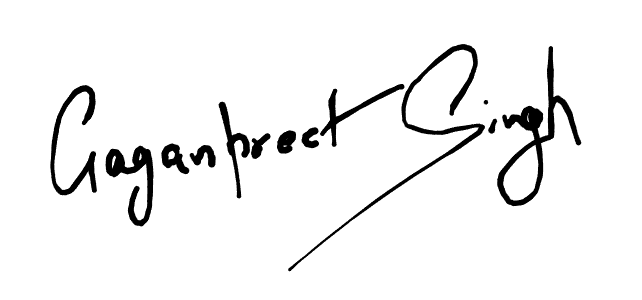
|
|
| Gursewak singh |

|
|
| Harjot Singh |

|
|
| Jasspreet Singh |

|
|
| Kamalpreet singh |
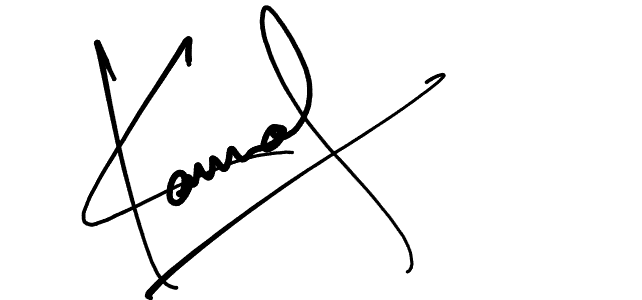
|
|
| Karan |
|
|
| Lovepreet Singh |
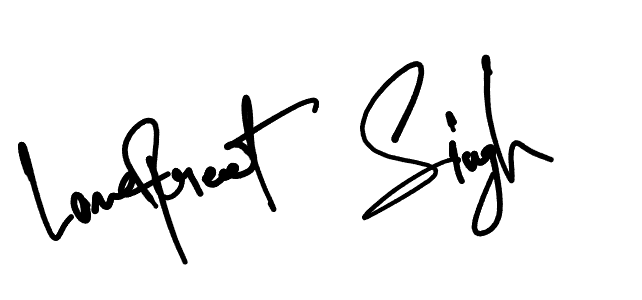
|
|
| Lovejeet Singh |

|
|
| Manjot Singh |

|
|
| Manwinder Singh |
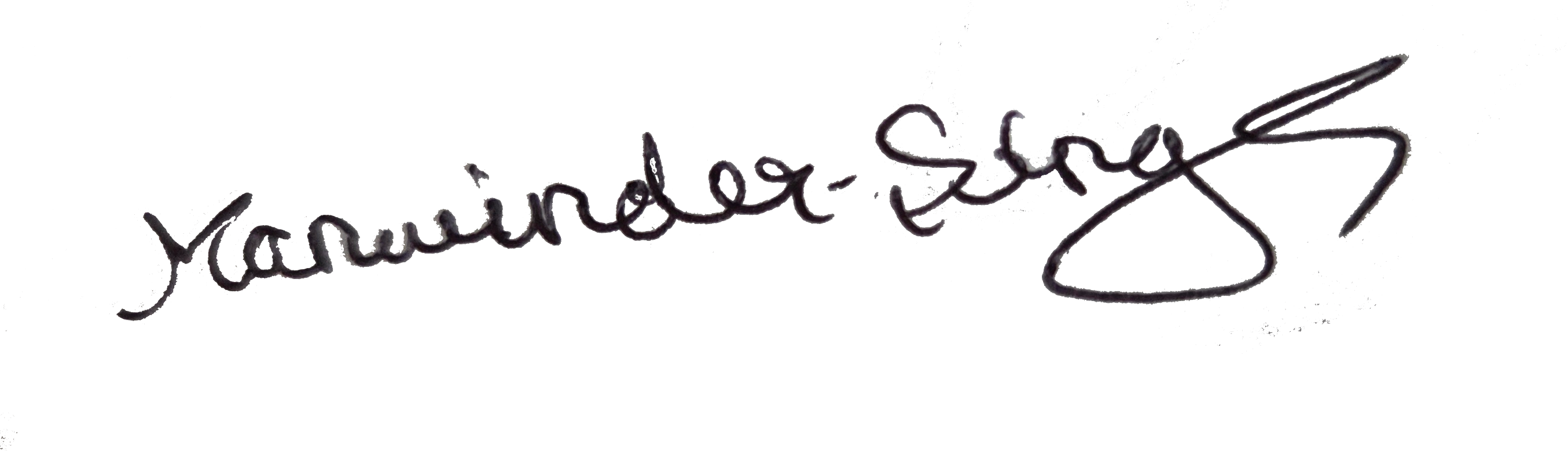
|
|
| Manveer Singh |
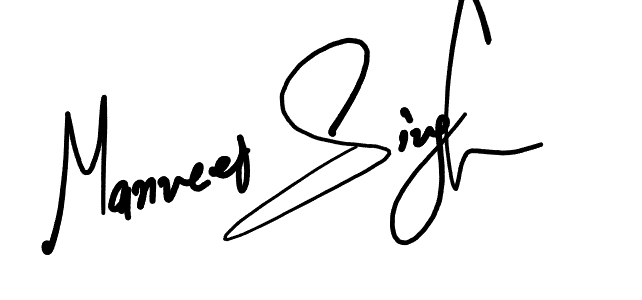
|
|
| Mehakdeep Singh |
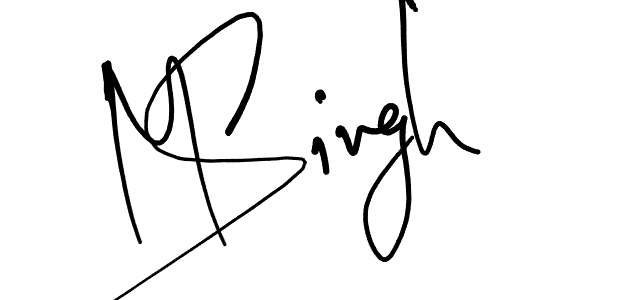
|
|
| Navkaran Singh |

|
|
| Paramveer Singh |
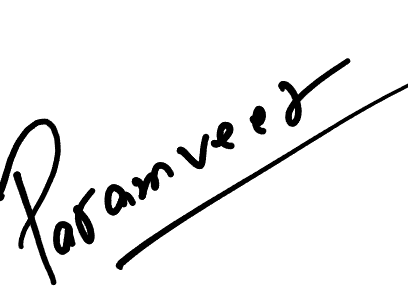
|
|
| Sukhmandeep Singh |

|
|
| Sukhraj Singh |

|
|
| Suraj Parkash Singh |

|
|
| Tinderpal Singh |

|
|
| Vijaypal Singh |
|