 |
Safe Job Procedure | Doc ID: SJP-04-07 |
| Rev: 00 | ||
| IN CASE OF FIRE | Date: |
SECTION 1 – GENERAL INFORMATION
| Prepared by: | Phone #: | ||
| Site/Project: | Site Address: | ||
| Prime Contractor/Client: | |||
| Prime Contact (Position & Name): | Phone #: | ||
| On-Site Contact (Position & Name): | Phone #: | ||
| Scope of Work Performed: | |||
| Any additional documents required? | (Hot work permits, Lift plan, Toolbox talk, etc.) | ||
| If YES, please indicate type and reason: | |||
2. Hazard Identification
| Task/activity steps | Potential Hazards present | Controls (PPE, Equipment, Training, Documents, etc.) |
|---|---|---|
|
|
|
3. Procedure
PRELIMINARY ACTIVITIES
Where multiple trade activity is scheduled, the general contractor is to review in advance the priority of work and schedule the appropriate time frame to allow each trade to complete their scope of work.
Prior to any work commencing supervisors must conduct a hazard assessment of all applicable work areas. Any hazards that are found during the hazard assessment must be addressed prior to any work commencing.
PROCEDURES FOR WORKING SAFELY
- Everyone shares the responsibility for fire prevention. All our employees are responsible for doing everything they reasonably can to prevent a fire.
- Always be aware of the nearest escape route, and ensure no obstructions at all time.
- Smoking is only permitted in designated smoking areas.
- All employees and contractors are to have their own firefighting equipment on site.
- All lunchroom and equipment trailers are to be equipped with a fire extinguisher.
- There must be one fire extinguisher within reach of each piece or cluster of portable equipment, including pressure washers.
- All mobile equipment and company vehicles must have at least one fire extinguisher of adequate type and size.
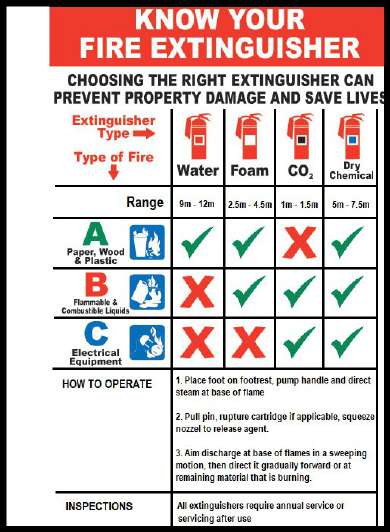
- Workers must know the locations and types of fire extinguishers in their work area. There are 4 general classes of fires and each requires a certain type of extinguishing agent. Portable fire extinguishers are labeled to indicate the class of fire they should be used on. Be sure to ensure you have the right extinguisher before starting work.
- If a fire cannot be put out with hand-held fire extinguishers, then sound the alarm and follow the Owner’s or Prime Contractors evacuation procedures.
- The worker who first reported the fire must inform the immediate supervisor of the circumstances of the fire if known.
- Fire equipment must always be kept accessible and in working condition. Portable fire extinguishers must be tagged and stamped to confirm they have been checked by approved inspection.
- All fire extinguishers that have been used must be removed from service until checked and put back into service by an approved inspector/ refill center.
- Do not tamper, cover any fire protection equipment.
|
Safe Job Procedure | Doc ID: SJP-04-07 |
| Rev: 00 | ||
| IN CASE OF FIRE | Date: |
- Aisles, passageways, doorways, ladders, and stairways must never be obstructed.
- In the case of electrical, propane or gas fires, the first step is to shut off the supply. Before work commence, know where all the disconnects and main gas valves are located. Only shut off if safe to do so.
- All fire extinguishers are clearly marked with current inspection dates (monthly by user, annual by certified inspector).
- In the case of fire, first evaluate how big the fire is and if it’s controllable by an extinguisher or not.
- Instruct a nearby worker to sound the air horn, alarm or call supervisor.
- Ensure the nearby worker knows your name and that you will attempt to fight the fire.
- If fire is not controllable proceed to evacuation routes and follow emergency procedure.
- If fire is in any flammable materials storage tank, evacuate immediately.
- If fire is controllable, grab the nearest fire extinguisher.
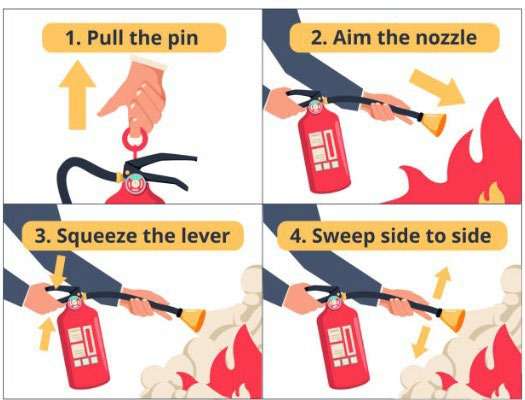
- P.A.S.S.:
- Pull the extinguisher pin
- Aim at the base of fire
- Squeeze the handle
- Sweep from side to side at the base of fire.
- Keep in mind that the fire extinguisher only lasts for 10 to 25 seconds based on size, type and how you use it.
- Always position yourself upwind and with a safe escape from the fire.
- Place yourself between fire and the nearest escape route to ensure you don’t get trapped in fire.
- If you can’t put out the fire, proceed to muster point.
|
Safe Job Procedure | Doc ID: SJP-04-07 |
| Rev: 00 | ||
| IN CASE OF FIRE | Date: |
Procedures using a Fire Extinguisher cart
Operation
- Move the extinguisher to within approximately 30 feet of the fire site. Keep the extinguisher upright.
NOTE: The model 775 and 776 extinguisher may be operated in either the vertical or reclined position, however, it will discharge more agent in the vertical position. - Twist and pull pin. Open cylinder discharge valve by rotating (pulling) the valve lever toward the hose 90°. The hose is now pressurized with chemical.
- Pull nozzle, with lever in the closed position, from the mount and extend the hose from the storage rack.
- Stand back 15 to 20 feet from the fire and aim the nozzle at base of flames nearest you. Open nozzle by pulling handle toward you (be prepared for a discharge recoil by holding the nozzle firmly).
- Sweep side to side across the base of the fire and past both edges. Progressively follow up until the fire is extinguished. Work the fire away from you while being alert for flashbacks. Move closer as the fire is extinguished but not so close as to scatter or splash the burning materials.
- When the fire is out, push the nozzle lever forward to the closed position.
- Evacuate and ventilate the area immediately after extinguishing the fire. The fumes and smoke from any fire may be hazardous and can be deadly.
Shutdown
- Rotate cylinder discharge valve lever 90° to the closed position. Install pull pin to prevent accidental actuation while transporting to recharge location.
- Remove residual agent from hose.
- Return the extinguisher to the upright position.
- Coil the hose onto the storage rack and position the nozzle into the mount in preparation for transport to the recharge location.
4. Additional Requirements / Comments
If you hear the alarm and cannot see the fire, evacuate immediately:
- Remain Calm.
- If you have a visitor, ask them to remain calm and have them accompany you.
- Walk to the nearest emergency exit. Do not run!
- If overwhelmed by smoke, crawl. Smoke is lighter than air and will accumulate at the top, pushing clean air closer to the ground.
- Go down the stairs, hold handrail, and take one step at a time, do not overtake, or get distracted.
- Do not use elevators until the fire department has announced that the emergency is over.
- As soon as you exit the building, proceed to the Muster point.
- Do not leave the Muster point until you have communicated with your supervisor.
- Do not go back into the building.
|
SJP Acknowledgment | Doc ID: SJP-04-07 |
| Rev: 00 | ||
| Employee Sign-Off Record | Date: |
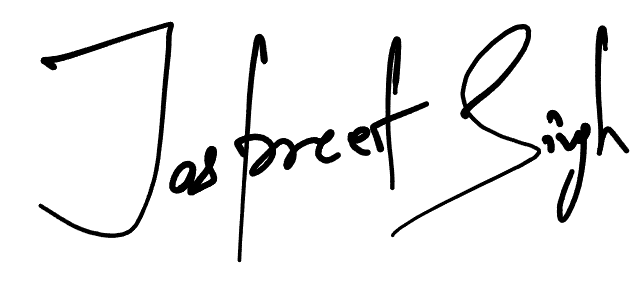
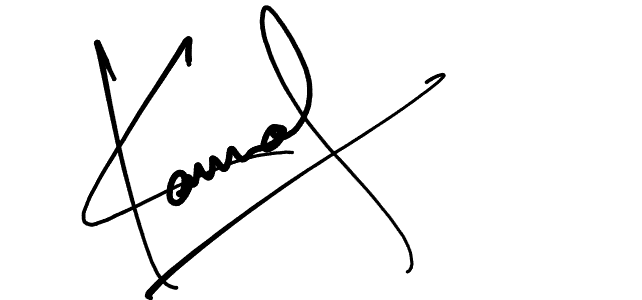
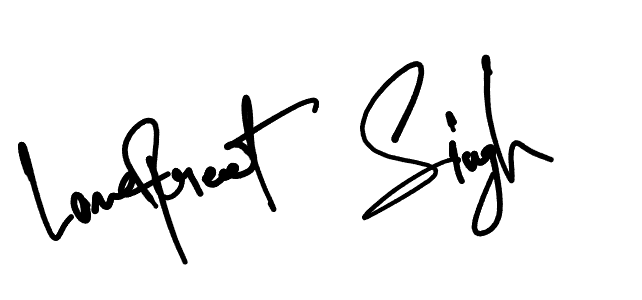
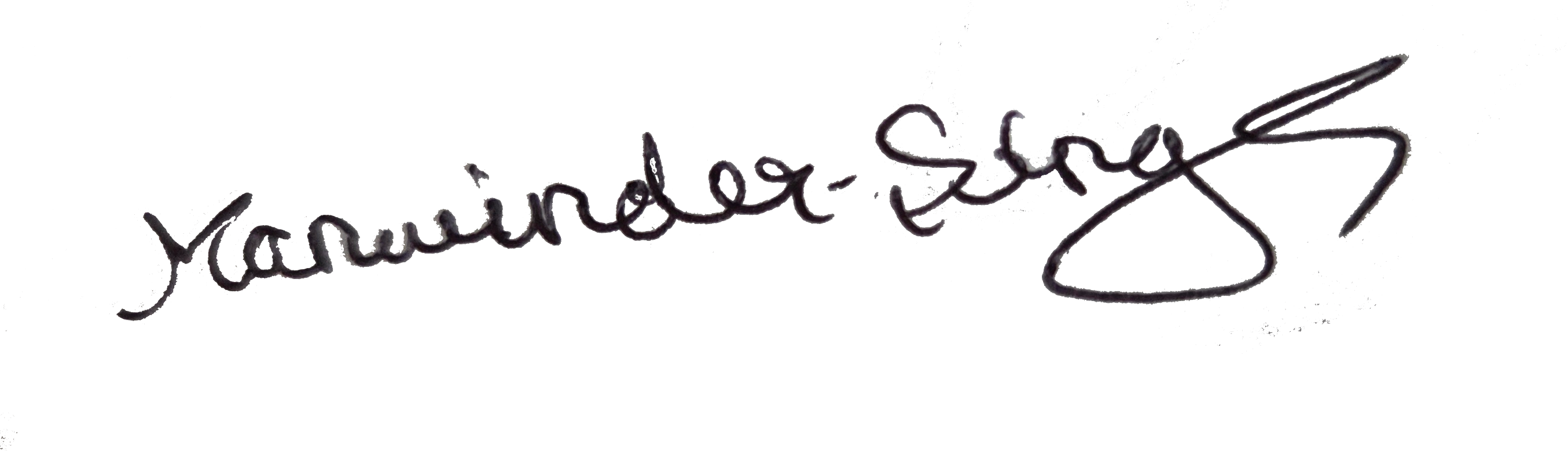
Employee Declaration: I confirm that I have read, understood, and will strictly comply with the Safe Job Procedure for In Case of Fire. I agree to utilize required PPE, actively participate in pre-task meetings, and immediately report any unsafe conditions. I acknowledge that failure to follow this SJP may result in disciplinary action.
| Employee Name (Print) | Signature | Date |
|---|---|---|
| Arshdeep Singh |

|
|
| Badal dhakal |

|
|
| Bandeep Singh |
|
|
| Beerinder |

|
|
| Bhavkaran Singh |

|
|
| paramjeet Singh |

|
|
| Akashdeep Singh |

|
|
| Emmanuel Ackom |

|
|
| Gaganpreet Singh |
|
|
| Gursewak singh |

|
|
| Harjot Singh |

|
|
| Jasspreet Singh |
|
|
| Kamalpreet singh |
|
|
| Karan |

|
|
| Lovepreet Singh |
|
|
| Lovejeet Singh |

|
|
| Manjot Singh |

|
|
| Manwinder Singh |
|
|
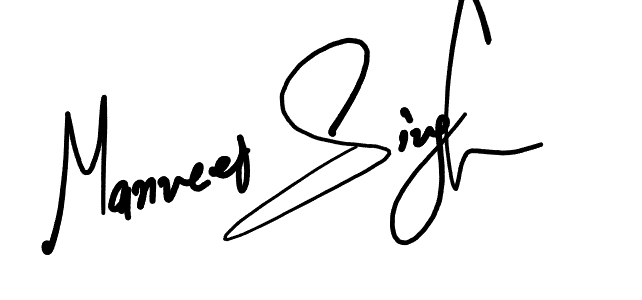
| Manveer Singh |
|
|
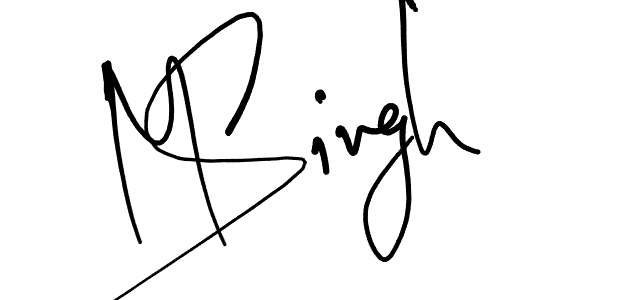
| Mehakdeep Singh |
|
|
| Navkaran Singh |

|
|
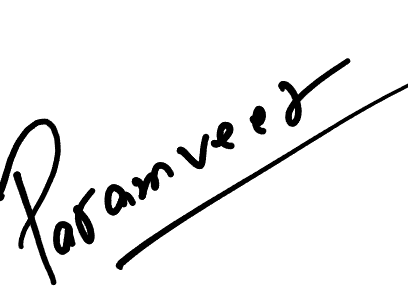
| Paramveer Singh |
|
|
| Sukhmandeep Singh |

|
|
| Sukhraj Singh |

|
|
| Suraj Parkash Singh |

|
|
| Tinderpal Singh |

|
|
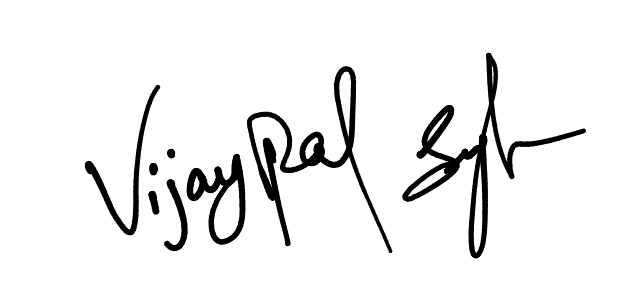
| Vijaypal Singh |
|